
Ceramic coating vs wax is a question a lot of Denver, CO drivers ask right after the first storm hits and the roads start getting treated. Winter grime is not gentle, and “I’ll deal with it in spring” usually turns into dull paint, stuck-on film, and chips you cannot unsee.
Here’s what matters: ceramic coating vs wax is not a tie in Denver winters. Wax can help, but it wears away fast in snow season. A quality ceramic coating holds up longer, makes washing easier, and gives you a stronger layer over your clear coat.
If you want help picking the right protection for Denver, CO or Centennial, CO, call (303) 875-4356 or book here: https://ceramicprodenverelite.com/contact-us/.
Denver winter driving is a mix of snow, slush, grit, and road treatment residue. Colorado DOT explains that winter road treatments can include sand, a sand/salt mix, and liquid anti-icers and de-icers, depending on storm type and temperatures, and it notes residue should be removed from vehicles with soap and water after storms. CDOT Winter Maintenance FAQ
That matters because winter grime does two things at once:
The real question is how often you can wash in winter. If you cannot keep a steady wash rhythm, you want protection that lasts longer than a few weeks.
Ceramic coating vs wax comes down to what you want from your protection layer.
Bottom line: ceramic coating vs wax in Denver winters usually favors ceramic coating when you want less upkeep and stronger long-term protection.
Ceramic coating vs wax does not mean wax is useless. Wax still has a place, mainly for drivers who:
Wax can help by:
The catch is durability. Denver winter washes, cold starts, and road film wear wax down fast. J.D. Power points out that wax wears away on its own and suggests watching water beading as a sign it is time to reapply. J.D. Power wax intervals
If your winter plan relies on wax alone, you need to be ready to refresh it.
Ceramic coating vs wax is where ceramic starts pulling away in winter.
A quality ceramic coating helps in Denver winters because it:
Colorado sun is part of the story too. The EPA explains that UV intensity increases about 6% per kilometer above sea level during UV Index calculations. EPA UV Index calculation
That’s not “winter-only,” yet it is a big reason Denver, CO vehicles that live outside can show paint wear sooner over time.
Ceramic coating vs wax in a Denver winter usually favors ceramic when you want protection you do not have to keep reapplying every couple months.
If you want to see our coating options, start here: Ceramic Coating.
Ceramic coating vs wax gets clear when you look at your calendar.
J.D. Power lists common wax reapplication windows that can be as short as 4–8 weeks for carnauba wax, and about eight weeks for some liquid wax types, with paste wax sometimes lasting longer. J.D. Power wax intervals
In Denver winters, wax durability often drops because you are washing more often and driving through harsher grime.
Ceramic Pro’s aftercare and warranty document says the coating can “hold up for many years” with routine care and outlines warranty timeframes measured in years for several packages. Ceramic Pro Aftercare & Warranty (PDF)
What this means: ceramic coating vs wax is often a question of how much time you want to spend maintaining protection. Wax demands frequent resets. Ceramic is more “set it up right, then maintain it.”
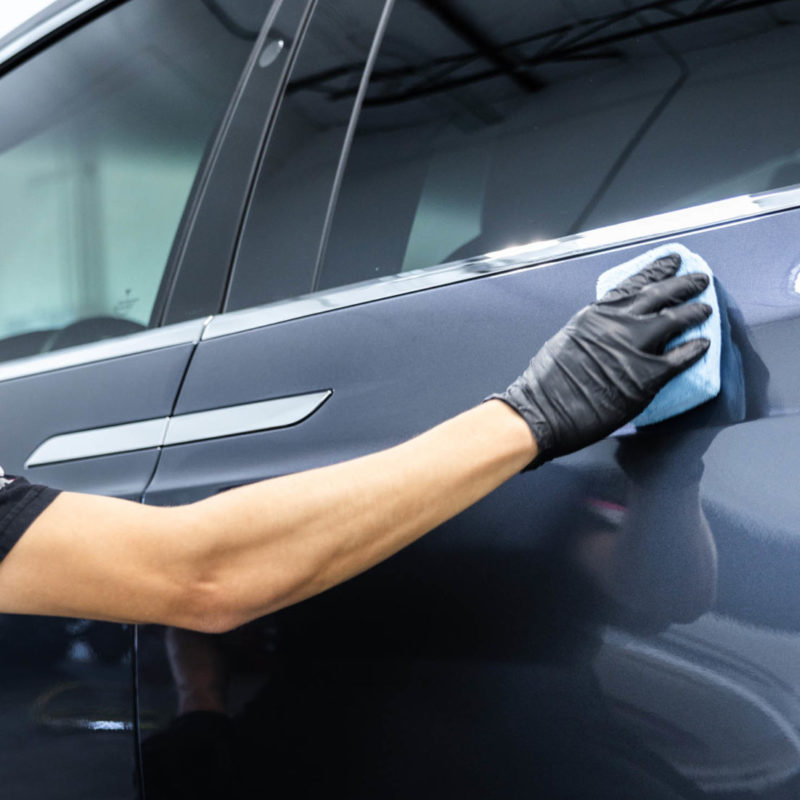
Denver winter roads are treated. CDOT describes liquid anti-icers and de-icers as liquid salt compounds used to prevent bonding or break bonds of snow and ice, and it recommends washing residue off vehicles with soap and water after storms. CDOT Winter Maintenance FAQ
Salt and winter residue do not just make cars dirty. They can push corrosion risk when left on surfaces. AAA notes that in areas where roads are salted during winter, washing more often matters because salt can accelerate rusting on the undercarriage if left unchecked. AAA on washing salted-road vehicles
Ceramic coating vs wax in this lane:
Now here’s the thing: neither wax nor ceramic coating replaces washing. The goal is to make washing easier and reduce what sticks.
Drivers often judge protection by water beading. That’s fair, but winter success is more about how fast you can wash safely when it is cold outside.
Ceramic coating vs wax, from a cleaning angle:
If you already have a Ceramic Pro coating, pay attention to aftercare rules. That same guide says do not use wax or paint sealant after washing a ceramic coated vehicle. Ceramic Pro Aftercare & Warranty (PDF)
So when someone asks ceramic coating vs wax, the answer can be: choose ceramic, then maintain it the way the warranty asks you to.
Ceramic coating vs wax is only part of the story if your paint already has swirls, haze, or visible scratches. Coatings are clear. Wax is clear. Neither one “fixes” defects.
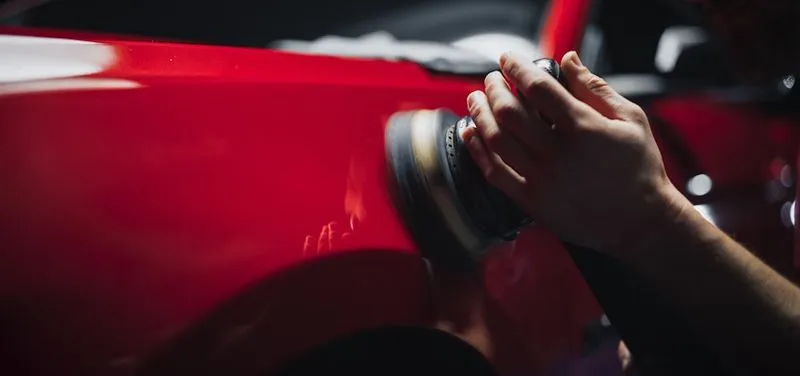
Here is why: you protect what is there. If you want the finish to look its best before protection, paint correction is the step that cleans up the surface first.
See what that looks like here: Paint Correction.
Ceramic coating vs wax gets easier when you build a winter plan around how you actually drive.
Denver highways can hammer the front end with grit. Ceramic coating vs wax does not solve rock chips. Film does.
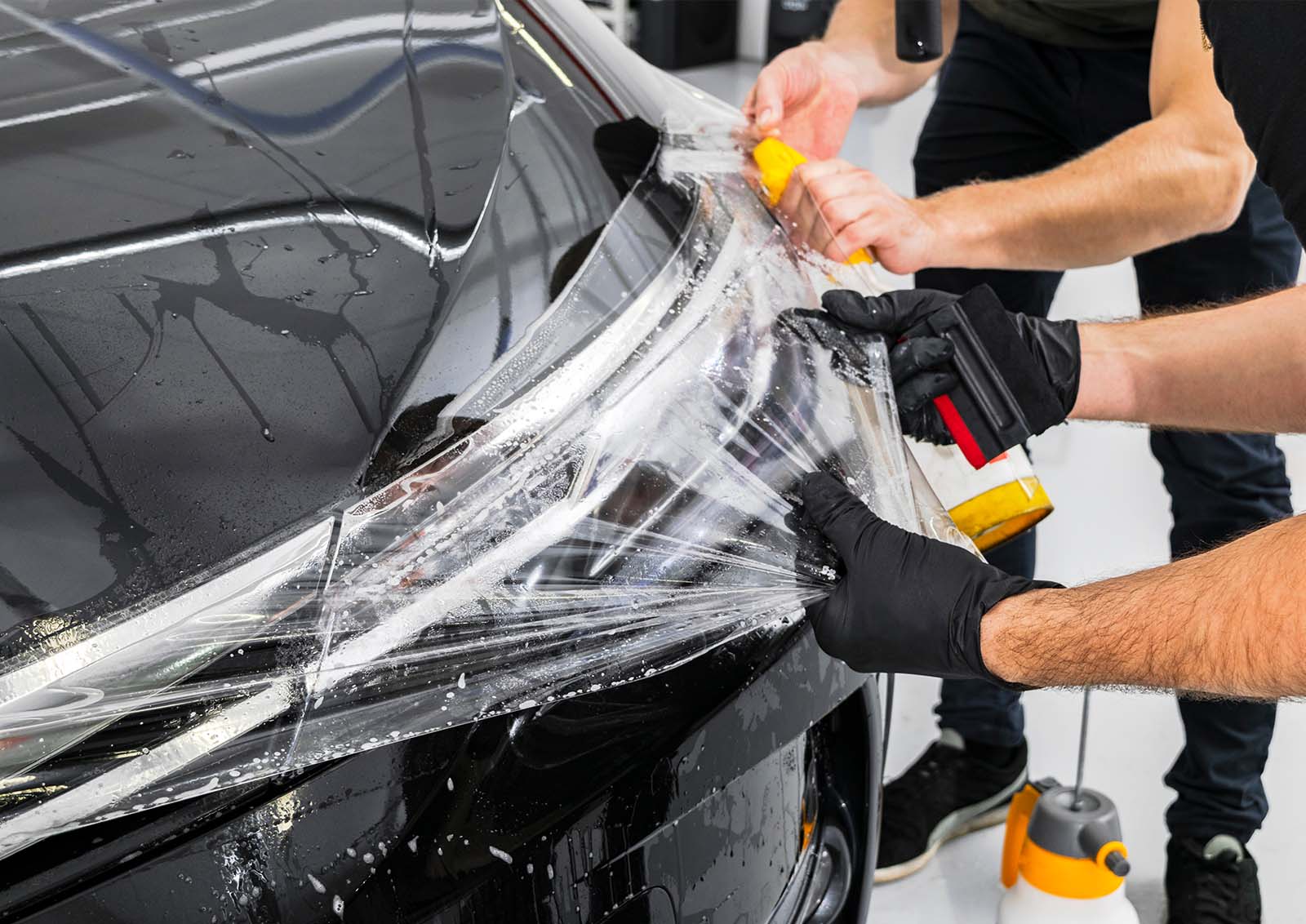
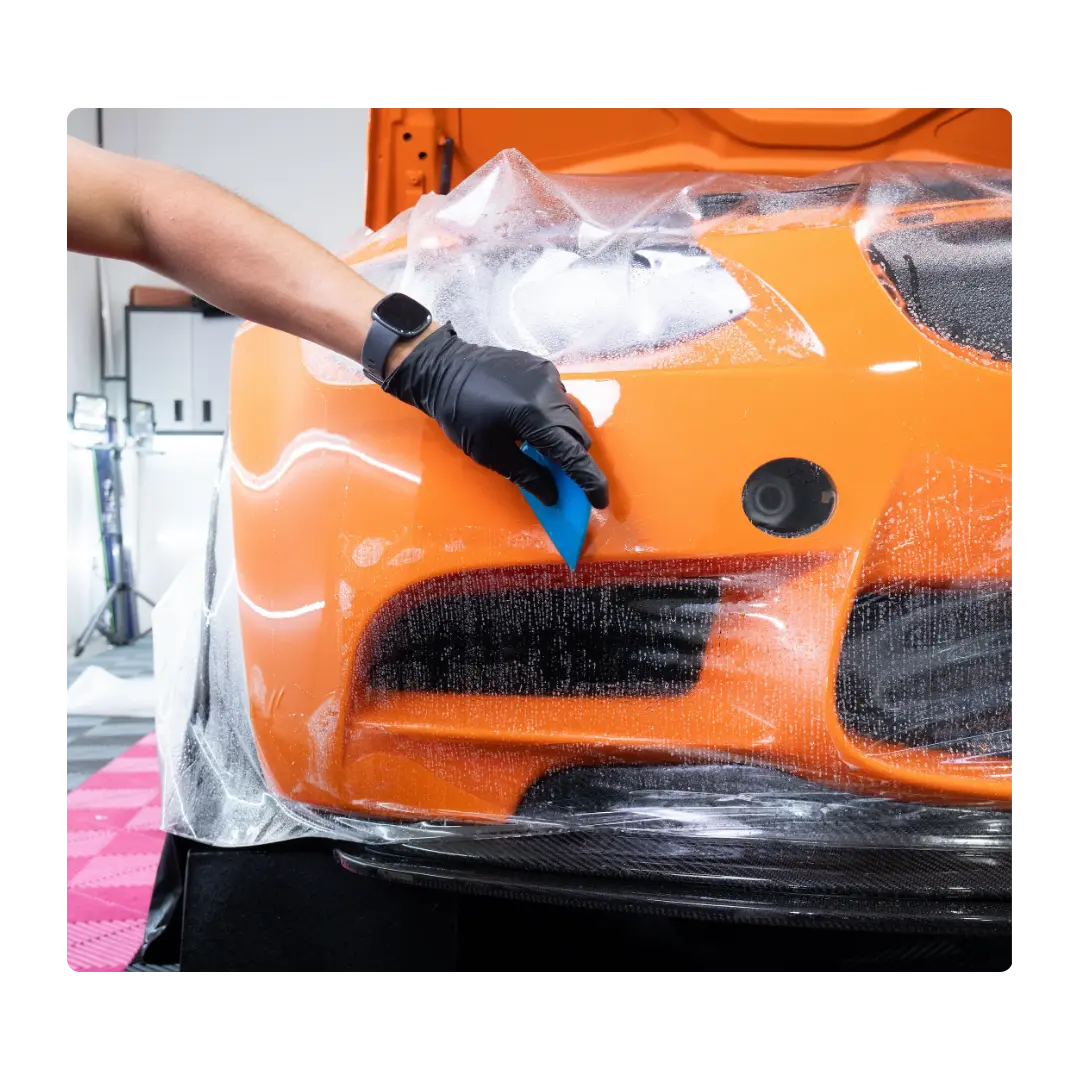
If rock chips are part of your winter life, look at Paint Protection Film.
Garages help, yet many Denver, CO drivers park outside. When your vehicle lives outside, ceramic coating vs wax leans even more toward ceramic because you need protection that lasts between washes.
Ceramic coating vs wax is a simple choice once you match it to Denver winter reality: lots of road treatment, lots of grime, and not a lot of warm wash days.
Ceramic Pro Denver is located at 6333 South Racine Cir, Centennial, CO 80111, serving Denver, CO and Centennial, CO, plus nearby areas like Greenwood Village, CO, Englewood, CO, Littleton, CO, Aurora, CO, Parker, CO, Highlands Ranch, CO, and Lone Tree, CO.
Want a winter protection plan that fits your vehicle?
Call (303) 875-4356 or schedule here: https://ceramicprodenverelite.com/contact-us/.
You can also check current offers here: Ceramic Coating Promotion.
Ceramic coating vs wax usually favors ceramic in Denver winters because wax wears away fast in snow season, while ceramic coating can hold up for years with proper care.
Wax can add a short-term protective layer, yet it needs frequent reapplication. CDOT notes winter residues should be removed with soap and water after storms, even when you have protection on the paint.
CDOT Winter Maintenance FAQ
No. Ceramic coating vs wax does not solve rock chips. If chips are the main problem, look at Paint Protection Film.
Ceramic coating vs wax comes down to upkeep. J.D. Power lists wax reapplication windows that can be as short as 4–8 weeks for carnauba wax and around eight weeks for some liquid waxes.
J.D. Power wax intervals
Ceramic Pro’s aftercare guide says do not use wax or paint sealant after washing a ceramic coated vehicle. Follow the aftercare rules tied to your warranty.
Ceramic Pro Aftercare & Warranty (PDF)
If your paint has swirls, haze, or visible scratches you want removed, do Paint Correction first. Ceramic coating vs wax does not remove defects.
Call (303) 875-4356 or book through https://ceramicprodenverelite.com/contact-us/. We’ll map a plan for Denver, CO and Centennial, CO driving and your wash habits.
Contact Ceramic Pro Denver to schedule a consultation for paint protection film, ceramic coating, window tint, or paint correction. Our team responds quickly with clear options matched to your vehicle, budget, and timeline. You can call us at (303) 875-4356 or visit us at 6333 South Racine Cir, Centennial, CO 80111 for in person guidance.
Explore the many services we offer by clicking the boxes below