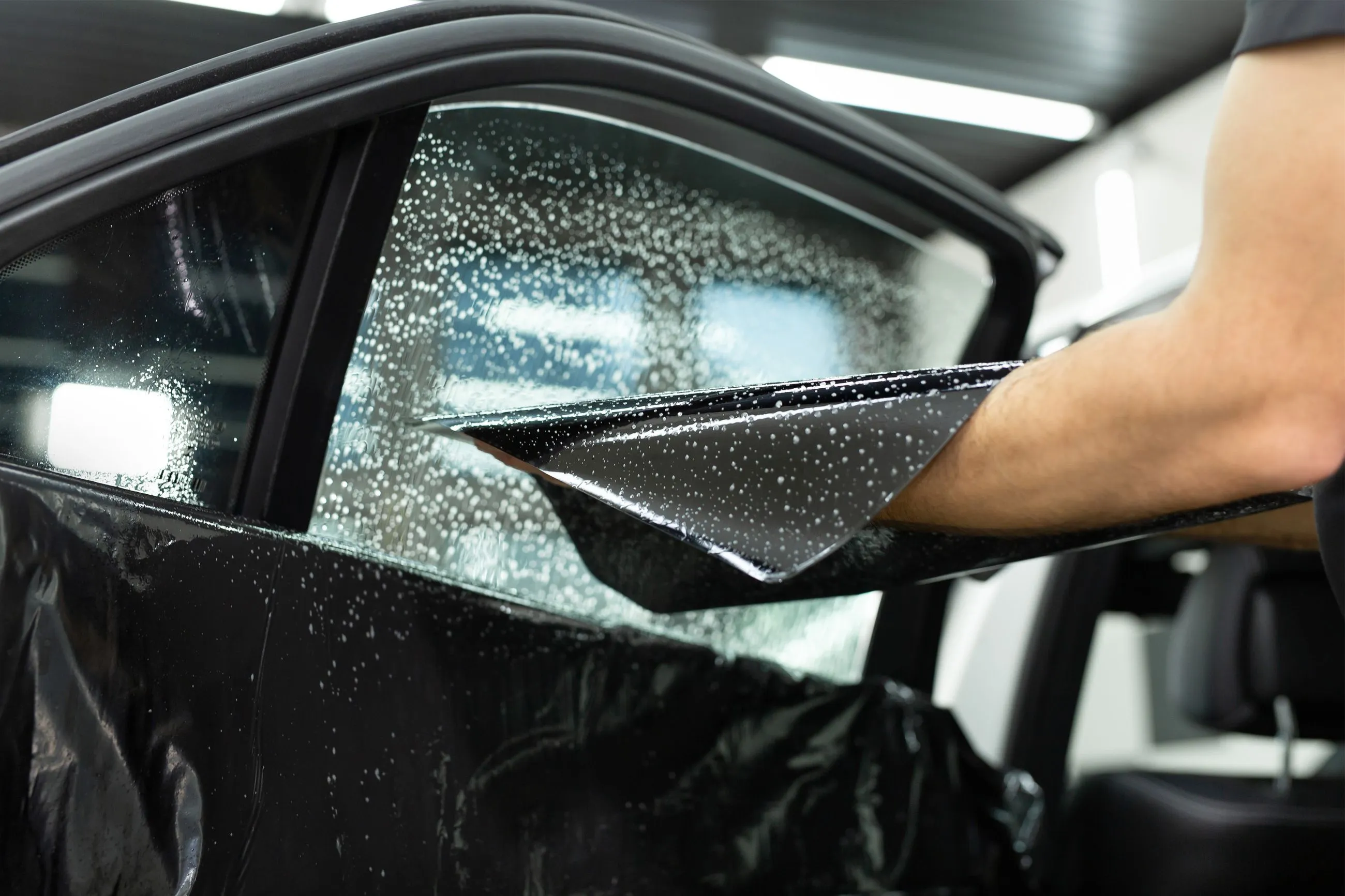

Ceramic Pro IR Window Tint in Denver is worth comparing when cabin heat, intense sunlight, glare, and UV exposure are major concerns. Denver, CO sits more than 5,000 feet above sea level, and higher elevation affects the amount of ultraviolet radiation reaching the surface.
The U.S. Environmental Protection Agency states that UV intensity rises with elevation because there is less atmosphere available to absorb UV radiation. EPA’s current UV Index calculation guidance uses an increase of about 6% per kilometer of elevation. The National Weather Service lists Denver at roughly 5,200 to 5,300 feet depending on the observation point.
That does not mean altitude alone determines how hot the inside of your vehicle becomes. Vehicle color, glass area, parking direction, outside temperature, shade, time of day, and film choice all play a role.
Window film can still make a noticeable difference.
Ceramic Pro Denver installs Ceramic Pro Ceramic IR Window Tint for drivers in Denver, CO, Centennial, CO, and surrounding communities. Ceramic IR uses non-metal ceramic film construction with an infrared-focused layer and is rated by Ceramic Pro for up to 96% infrared heat rejection.
Drivers who want even higher IR performance can compare Ceramic Pro Ultimate IR Window Tint, which Ceramic Pro rates at up to 99% infrared rejection.
Call (303) 875-4356 or contact Ceramic Pro Denver to compare film and shade choices for your vehicle.
Ceramic Pro IR Window Tint in Denver is designed for drivers who care about more than changing the color of their windows.
Ceramic IR film focuses on infrared heat rejection while also blocking more than 99% of UV radiation according to Ceramic Pro Denver’s current product information.
That makes the film useful for vehicles that:
Ceramic tint also gives drivers shade choices rather than forcing them to use extremely dark film to get heat-rejection performance.
That matters when visibility, appearance, and Colorado tint rules are part of the decision.
Denver, CO is known for its elevation, and elevation has a measurable effect on UV intensity.
The EPA explains that UV levels increase at higher elevations because there is less atmosphere available to absorb the radiation before it reaches the ground.
EPA’s UV Index calculation guidance uses an elevation adjustment of about 6% per kilometer above sea level.
The agency has also published guidance stating that UV intensity can rise by roughly 2% for each 1,000 feet of elevation.
Denver sits at roughly 5,200 to 5,300 feet based on National Weather Service point observations.
Here is what matters for drivers: higher elevation is one reason UV protection is worth thinking about when choosing automotive glass film around Denver, CO and Centennial, CO.
Altitude does not mean your vehicle will always be hotter than the same vehicle at sea level. Cabin temperature depends on many conditions.
It does mean the high-altitude UV environment is real and documented.
Sunlight reaching your vehicle includes several forms of electromagnetic radiation.
Visible light is the part you see.
Ultraviolet radiation is associated with skin exposure and material fading.
Infrared radiation carries energy that contributes to the heat you feel from sunlight.
Window film manufacturers measure how their films interact with these different parts of solar energy.
That is why two window films with a similar visible shade may not feel the same inside a vehicle.
One can have much stronger infrared rejection than the other.
When comparing Ceramic Pro IR Window Tint in Denver, do not judge heat performance by darkness alone.
Ask which film is being installed and what infrared performance the manufacturer publishes for that film.
Ceramic Pro Ceramic IR uses nano-ceramic film construction with an infrared-focused layer.
Ceramic Pro Denver states that the film:
Ceramic construction is one of the big differences between Ceramic IR and older metal-based tint types.
The film is designed to provide heat control without placing a metal layer between you and the signals used by modern electronics.
That can matter in vehicles that depend heavily on connected technology.
Ceramic Pro currently rates its Ceramic IR film at up to 96% infrared heat rejection.
The words “up to” matter.
Film performance can differ by shade and test method. A manufacturer’s highest listed figure should not automatically be treated as the performance of every shade in the lineup.
Ask the installer which shade you are considering and what data applies to that film.
Ceramic Pro Denver also states that Ceramic IR blocks over 99% of UV radiation.
For a driver looking at Ceramic Pro IR Window Tint in Denver, those two measurements describe different things.
IR rejection relates to infrared energy.
UV blocking relates to ultraviolet radiation.
VLT tells you how much visible light passes through.
Do not treat all three numbers as if they mean the same thing.
Ceramic Pro Denver currently offers both Ceramic IR and Ultimate IR.
Ceramic Pro states that Ceramic IR can provide:
Ceramic Pro states that Ultimate IR can provide:
Ceramic Pro Denver notes that its Ultimate IR film can provide up to 95% IR blocking in an 80% VLT film, which is a nearly transparent appearance.
That is useful for understanding why darkness should not be the only measure of heat control.
If heat rejection is near the top of your list, compare Ultimate IR with Ceramic IR before choosing.
Not necessarily.
A darker window transmits less visible light.
Heat rejection depends heavily on the film’s construction and its ability to manage infrared and other solar energy.
That means a lighter ceramic window film may reject more infrared energy than a darker lower-grade film.
This is one reason Ceramic Pro IR Window Tint in Denver can appeal to drivers who want heat control without making every window extremely dark.
Lighter film can also matter when:
Ask to see physical film samples before installation.
The way a shade looks on a small sample can differ from the way it appears across an entire vehicle window.
UV is separate from infrared heat, but altitude makes it worth discussing.
The EPA says UV intensity rises with altitude because thinner atmosphere absorbs less of the radiation.
Ceramic Pro Denver states that Ceramic IR blocks more than 99% of harmful UV radiation.
That can help reduce UV reaching vehicle occupants through treated glass and can also help reduce UV exposure to interior materials.
No window film changes the outdoor UV Index.
Its job is to reduce UV passing through the treated automotive glass.
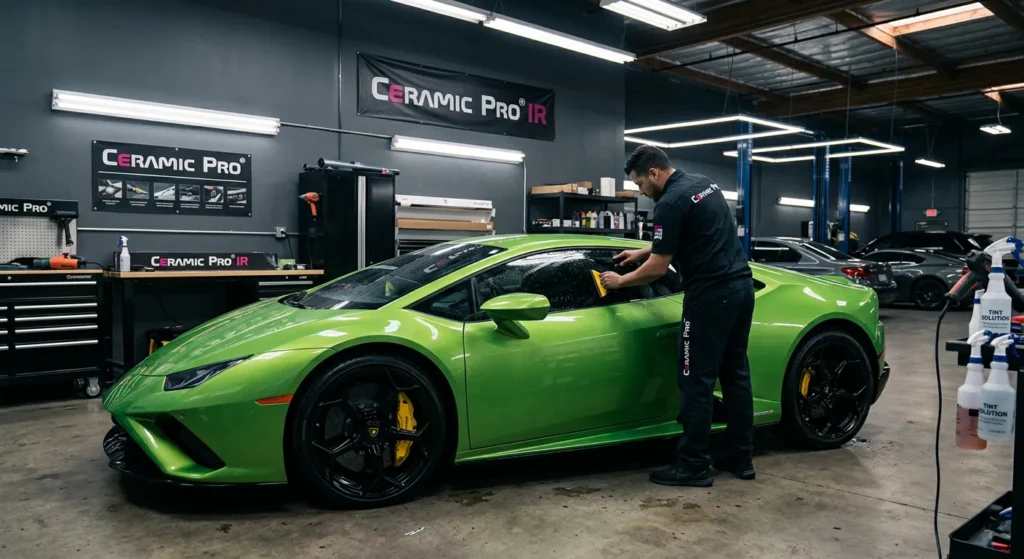
For drivers around Denver, CO and Centennial, CO who spend hours inside their vehicles each week, UV-blocking performance is worth comparing alongside heat rejection.
Sun exposure can affect vehicle interiors over time.
Leather, plastics, trim, upholstery, dashboards, and other materials can be exposed to sunlight whenever a vehicle is parked or driven.
Ceramic Pro Denver lists UV protection as one of the reasons to use Ceramic IR.
Window tint should not be treated as a promise that an interior can never fade or age.
Material type, vehicle storage, time outdoors, cleaning products, and years of use all matter.
Film can reduce one source of exposure by blocking a large percentage of UV passing through treated glass.
For owners who park outside regularly in Denver, CO, that can be a useful part of interior care.
Older automotive tint products sometimes relied on metallic layers.
Metal can affect radio-frequency signals depending on the film and vehicle.
Ceramic Pro’s Ceramic IR uses non-metal construction.
Ceramic Pro Denver describes the film as signal friendly for systems such as:
That can matter even more in newer vehicles.
Modern cars may depend on several wireless systems every time you get behind the wheel.
A ceramic, non-metal film gives drivers heat and UV performance without using a metalized appearance.
Colorado driving can expose vehicle occupants to very different conditions within the same day.
A Denver, CO commute can begin in cool morning temperatures and end with a vehicle sitting under strong afternoon sun.
Trips toward the foothills can bring changes in sun angle, elevation, snow glare, and weather.
Ceramic IR tint can help with:
It cannot control the temperature of every surface in the vehicle.
The windshield, roof, body color, dashboard, seat material, ventilation, and parking conditions still affect cabin heat.
Think of window film as one part of managing the cabin rather than a replacement for shade or air conditioning.
VLT means visible light transmittance.
A higher VLT allows more visible light through.
A lower VLT creates a darker appearance.
Ceramic Pro Denver offers shade choices so drivers can balance:
Do not select a film just because the shade number sounds legal.
Factory glass already blocks some visible light, so final VLT is based on the glass and film together.
If legal compliance matters to you, ask about the final expected reading rather than the film-only rating.
Ceramic Pro Denver can show you film samples and discuss the choices for your particular vehicle.
Teslas and other EVs can have large glass areas, which can make heat control a common concern among owners.
Ceramic Pro Denver offers dedicated Tesla Window Tinting services.
Tesla owners can compare Ceramic IR and Ultimate IR while thinking about:
Ceramic Pro Denver also offers:
Tell the installer what you dislike about the current glass before selecting a film.
If heat is the main concern, that should guide the conversation differently than if privacy is your main goal.
Yes.
Window tint, PPF, and ceramic coating address different areas of a vehicle.
Window Tint works on the glass.
Paint Protection Film places a physical film over selected exterior surfaces to help protect against rock chips and road debris.
Ceramic Coating creates a slick coated surface that can help with washing, gloss, water behavior, and common contamination.
A Denver, CO driver might choose Ceramic IR for cabin heat, PPF for the bumper and hood, and ceramic coating for exterior care.
Each service addresses a different concern.
Before booking Ceramic Pro IR Window Tint in Denver, ask:
A good tint choice should be based on what you want the film to accomplish, not only on how dark it looks.
Ceramic Pro Denver installs Ceramic Pro Ceramic IR and Ultimate IR for drivers in Denver, CO, Centennial, CO, and nearby Denver metro communities.
Ceramic Pro Denver has served Colorado vehicle owners for 21 years and is the Ceramic Pro Elite Dealer for the Denver metro area.
Our services include:
Ceramic Pro Denver
6333 South Racine Cir
Centennial, CO 80111
Phone: (303) 875-4356
Hours:
Monday-Friday: 8:30 AM-6:30 PM
Saturday: 9:00 AM-4:00 PM
If you are looking for Ceramic Pro IR Window Tint in Denver, call (303) 875-4356 or schedule an appointment.
Tell us your vehicle, current glass, shade goals, and whether heat rejection, UV protection, privacy, or appearance matters most to you.
Ceramic Pro currently states that Ceramic IR can reject up to 96% of infrared heat. Performance can differ by film and testing conditions, so ask which figure applies to the exact shade you are considering.
Yes. The EPA states that UV intensity increases with elevation because there is less atmosphere to absorb UV radiation. Its current UV Index calculation guidance uses an elevation adjustment of about 6% per kilometer above sea level.
Ceramic Pro Denver states that Ceramic IR blocks more than 99% of UV radiation. UV blocking and infrared heat rejection are separate film measurements.
Ceramic Pro currently rates Ceramic IR at up to 96% infrared rejection and Ultimate IR at up to 99%. Ultimate IR also has strong IR performance available in lighter VLT films. The right choice depends on your heat, visibility, shade, and appearance goals.
No. Film darkness and infrared rejection are separate measurements. A lighter ceramic film can provide strong heat rejection without producing an extremely dark window.
Ceramic Pro Ceramic IR uses non-metal construction and is described by Ceramic Pro Denver as signal friendly for phones, GPS, and keyless entry.
Ceramic Pro Denver installs Ceramic IR and Ultimate IR at 6333 South Racine Cir, Centennial, CO 80111, serving Denver, CO and Centennial, CO. Call (303) 875-4356 or visit ceramicprodenverelite.com/contact-us to schedule an appointment.
Contact Ceramic Pro Denver to schedule a consultation for paint protection film, ceramic coating, window tint, or paint correction. Our team responds quickly with clear options matched to your vehicle, budget, and timeline. You can call us at (303) 875-4356 or visit us at 6333 South Racine Cir, Centennial, CO 80111 for in person guidance.
Explore the many services we offer by clicking the boxes below