
Ceramic Pro vs Opti-Coat Pro is a comparison Denver drivers may make when looking for professional ceramic paint protection that lasts longer than wax or a short-term sealant. Both manufacturers sell professional coatings designed to bond with automotive paint, increase gloss, repel water, resist environmental contamination, and make regular washing easier. The differences show up in coating chemistry, layer structure, installer programs, warranty length, annual service rules, vehicle-age requirements, and the other protection products available within each brand.
At Ceramic Pro Denver, we install Ceramic Pro coatings for vehicle owners from Denver, CO, Centennial, CO, and surrounding communities. We are a Ceramic Pro certified installer and Elite Dealer, so this guide naturally explains Ceramic Pro in detail. For a fair Ceramic Pro vs Opti-Coat Pro comparison, the Opti-Coat information below comes from Opti-Coat’s own product, warranty, and care pages rather than assumptions about a competing coating.
The most useful comparison is not which logo sounds better. It is what product will actually be installed, how the paint will be prepared, what the written warranty requires, and how you plan to maintain the vehicle after it leaves the shop.
Ceramic Pro vs Opti-Coat Pro is not a perfect one-product comparison because Ceramic Pro and Opti-Coat each have several professional coating tiers.
For a closer comparison, this guide looks mainly at Ceramic Pro ION and Opti-Coat Pro.
| Feature | Ceramic Pro ION | Opti-Coat Pro |
|---|---|---|
| Manufacturer description | Two-component ION Base and ION Top Coat system | Single-layer Silicon Carbide ceramic coating |
| Professional installation | Ceramic Pro certified installer / Elite Dealer for ION | Authorized Opti-Coat installer |
| Published paint warranty | 7 years when program terms are followed | 5 years for vehicles 5 model years old or newer |
| Older vehicle warranty | Ceramic Pro warranty recommends added paint assessment for vehicles over 3 months old | 3 years for vehicles 6 to 10 model years old |
| Vehicle age limit in published warranty | No comparable 10-model-year cutoff stated in Ceramic Pro’s coating warranty | Vehicles over 10 model years old cannot receive the Opti-Coat Pro warranty |
| Annual installer service | Required to keep the full 7-year ION warranty | Opti-Coat Pro warranty does not list an annual installer service for its 5-year term |
| Warranty transfer | Transfer can occur when Ceramic Pro’s stated service requirements are followed | Opti-Coat’s warranty is non-transferable |
| Rock-chip coverage | Stone chips excluded from coating warranty | Stone-chip and foreign-object damage excluded from coating warranty |
The table already shows why Ceramic Pro vs Opti-Coat Pro should involve more than comparing water beads.
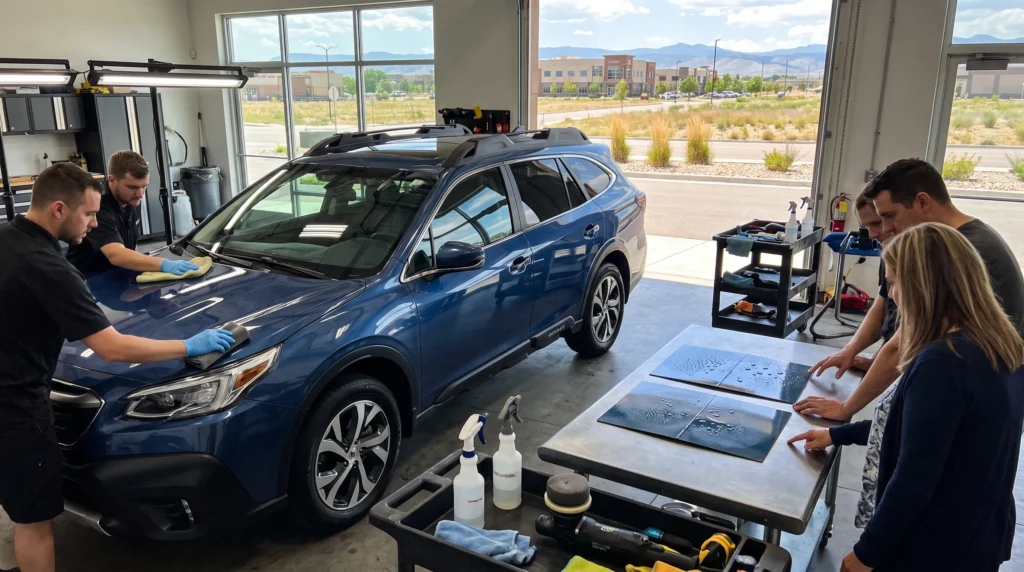
Warranty structure alone is quite different.
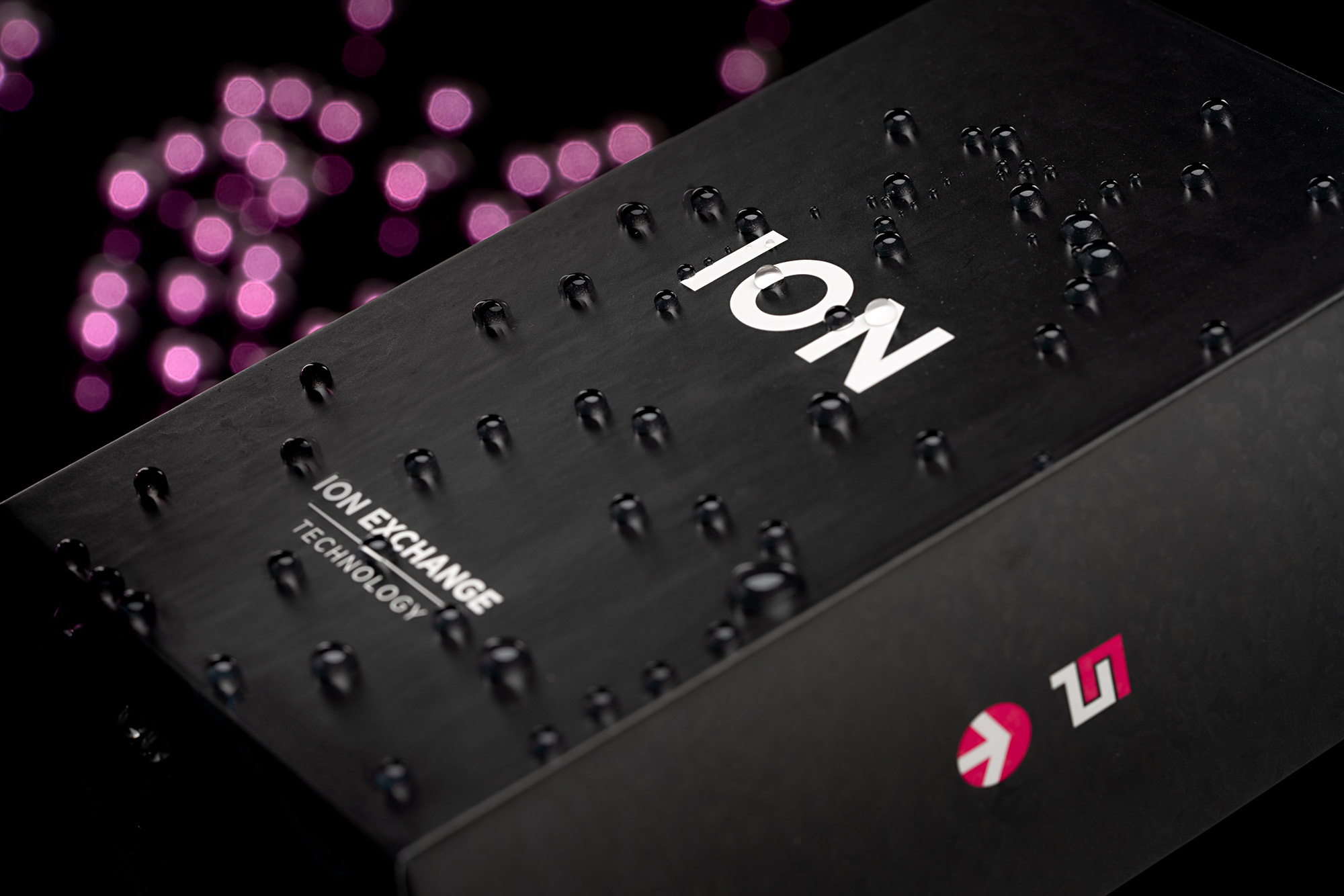
Ceramic Pro ION is Ceramic Pro’s two-component coating system.
Ceramic Pro describes ION installation as a two-step process.
First, ION Base is applied and bonds with the automotive paint.
After the base cures for the required installation period, ION Top Coat is installed over it. Ceramic Pro says the second part uses its ION Exchange process to change the molecular structure within the coating system, creating a denser finished coating.
Ceramic Pro’s manufacturer information lists:
Ceramic Pro Denver’s ION package includes:
Our Ultimate ION package adds a second ION Base layer and carries lifetime warranty eligibility when the written annual-service requirements are followed.
That package structure is one of the larger differences in a Ceramic Pro vs Opti-Coat Pro comparison.
Opti-Coat describes Opti-Coat Pro as a professional Silicon Carbide, or SiC, ceramic coating.
According to the manufacturer, the coating’s pre-polymer cross-links as it cures and forms a continuous film over the factory clear coat.
Opti-Coat lists benefits that include:
Opti-Coat Pro is installed by an authorized Opti-Coat installer rather than sold as a standard consumer application.
Its United States and Canada warranty gives Opti-Coat Pro a 5-year warranty for vehicles five model years old or newer.
Vehicles from six through ten model years old receive a 3-year warranty under the listed terms.
Vehicles older than ten model years do not qualify for the Opti-Coat Pro warranty.
Ceramic Pro vs Opti-Coat Pro starts to separate once those warranty conditions are included in the comparison.
The manufacturers describe their coating systems differently.
Ceramic Pro ION uses a two-product architecture built around ION Base and ION Top Coat.
Opti-Coat Pro is described by Opti-Coat as a single-layer SiC system.
It would be misleading to say that one chemistry is automatically stronger based only on those descriptions.
The manufacturers use their own formulas, testing methods, application processes, and terminology. A number published by one brand is not always directly comparable with a number published by another.
For Denver drivers, there is a more useful way to evaluate Ceramic Pro vs Opti-Coat Pro.
Look at what each coating is designed to do after installation:
Both manufacturers make those types of claims for their professional coatings.
The larger differences are the coating architecture and warranty programs supporting them.
Warranty length is one of the clearest measurable differences.
Ceramic Pro’s published coating warranty lists 7 years for Ceramic Pro ION.
Annual service is required to maintain the full 7-year term.
If a required inspection is missed, the Ceramic Pro warranty states that ION coverage changes to a 3-year warranty measured from the last consecutive inspection.
Ceramic Pro’s Ultimate ION package carries lifetime warranty eligibility. The warranty says missed annual service changes Ultimate ION coverage to seven years from the last consecutive inspection.
Opti-Coat’s warranty lists:
Opti-Coat also sells other coating tiers with different warranty lengths.
When comparing Ceramic Pro vs Opti-Coat Pro, make sure you are comparing the exact coating package rather than the longest warranty offered anywhere in either brand’s catalog.
This is one area where the brands take different approaches.
Ceramic Pro ION requires an annual service to maintain its full stated warranty.
Ceramic Pro’s warranty document says annual service must take place through a Ceramic Pro installer within 30 days before or after the anniversary of the previous application or service.
The listed annual service includes:
Opti-Coat Pro’s five-year warranty does not list the same annual installer-service condition.
It does require owners to maintain the vehicle according to Opti-Coat’s published care guidance.
Opti-Coat’s care guide recommends frequent gentle washing, complete drying, prompt contamination removal, and avoiding abrasive washing methods.
So Ceramic Pro vs Opti-Coat Pro has a real maintenance-program difference.
Ceramic Pro ION ties its full seven-year warranty to annual documented service.
Opti-Coat Pro ties warranty validity to proper care but does not state the same yearly installer visit for its five-year Pro warranty.
Vehicle age deserves attention when comparing these coatings.
Opti-Coat’s warranty changes with vehicle age.
A car five model years old or newer can receive the five-year Opti-Coat Pro warranty.
A vehicle six to ten model years old receives three years.
A vehicle older than ten model years cannot receive that Opti-Coat Pro warranty.
Ceramic Pro’s coating warranty takes another approach.
Its warranty document does not show the same ten-model-year cutoff. It does say vehicles more than three months old are strongly recommended to receive a machine-polish assessment before coating.
The reason is straightforward.
A coating is clear. Existing swirls, chips, scuffs, scratches, water marks, and other paint defects may remain visible after the coating cures.
Ceramic Pro Denver offers Paint Correction when suitable defects should be addressed before coating.
For an older Denver, CO vehicle, ask both installers how vehicle age changes warranty eligibility and preparation requirements.
Ceramic Pro vs Opti-Coat Pro also differs when the vehicle changes owners.
Ceramic Pro’s published coating warranty states that the warranty can transfer when the new owner attends the required annual service within the stated period.
Failing to complete that transfer through annual service changes the transferred coverage under the terms described in the warranty.
Opti-Coat’s United States and Canada warranty states that its warranty is non-transferable.
That distinction may matter if you expect to sell the vehicle before the coating warranty ends.
Always read the written warranty that comes with your actual installation because manufacturer terms can change.
Both coatings are marketed around gloss and easier exterior maintenance.
Ceramic Pro describes ION as hydrophobic and designed to repel liquids, dirt, and other contamination.
Opti-Coat describes Opti-Coat Pro as water repellent, glossy, chemically resistant, and easier to keep clean than unprotected clear coat.
Neither coating makes a car self-cleaning.
Both brands publish maintenance instructions.
Ceramic Pro recommends washing regularly, using suitable pH-neutral products, avoiding automatic brush washes, and drying the vehicle rather than letting mineral-heavy water evaporate on the surface.
Opti-Coat’s care guide makes similar recommendations. It calls for frequent gentle washing, clean wash media, full drying, prompt removal of bird droppings and bug residue, and avoidance of abrasive automatic washes.
What this means for Ceramic Pro vs Opti-Coat Pro is that both still require vehicle care.
Ceramic coating reduces how strongly dirt and water cling to the finish. It does not remove the need to wash.
Denver, CO and Centennial, CO drivers have another factor to consider: winter road contamination.
The Colorado Department of Transportation uses liquid and solid deicers on state highways when conditions call for them. CDOT lists granular salt, magnesium chloride, liquid deicers, and sand or sand-and-salt mixtures among the products used in Colorado.
Those materials can collect around:
Ceramic Pro’s coating warranty notes that road salts and winter chemicals can affect a vehicle and recommends more frequent cleaning during winter.
Opti-Coat’s care guide also tells owners in winter areas to remove road salt promptly, including buildup around lower panels and wheel areas.
Ceramic Pro vs Opti-Coat Pro does not produce a winner simply because Denver has winter weather.
Both systems still need regular cleaning.
If you drive year-round around Denver, CO and Centennial, CO, ask the installer what winter wash routine they recommend for the coating you choose.
No.
This is one of the most useful things to know before choosing any ceramic coating.
Ceramic Pro’s coating warranty excludes chips caused by impacts and foreign objects.
Opti-Coat’s warranty also excludes damage caused by foreign objects, including stone chips and scratches.
A ceramic coating can add resistance to environmental contamination and light surface wear, but it is not a thick impact film.
If Denver road debris and rock chips are your concern, compare ceramic coating with Paint Protection Film.
PPF places a physical urethane film over covered panels.
A common setup is PPF on the front impact areas with ceramic coating used as part of the exterior protection plan.
Ceramic Pro Denver can install both services at the same location.
Surface preparation can affect how either coating looks after installation.
Ceramic coating does not erase:
Those defects should be assessed before coating.
Ceramic Pro’s warranty recommends a machine-polish assessment for vehicles more than three months old.
Ceramic Pro Denver’s Ceramic Coating process starts with inspection and preparation, with paint correction recommended when the finish calls for it.
The same general issue applies when considering Opti-Coat Pro. Opti-Coat excludes pre-existing damage from its warranty, which makes pre-installation inspection worth discussing with an authorized installer.
For Ceramic Pro vs Opti-Coat Pro, the coating bottle is only one part of the finished job.
Ask how the paint will be washed, decontaminated, inspected, polished when needed, and prepared before coating application.
Comparing Ceramic Pro ION only with Opti-Coat Pro can make the two brands look farther apart than they are because Opti-Coat sells longer-warranty products too.
Opti-Coat’s professional lineup includes:
Opti-Coat markets Pro3 with a 10-year warranty that does not require yearly maintenance for that ten-year term. The manufacturer also lists an optional lifetime warranty path tied to yearly installer maintenance.
Ceramic Pro Denver currently lists:
This wider view makes Ceramic Pro vs Opti-Coat Pro a more balanced comparison.
Both manufacturers have several professional coating levels rather than one coating for every driver.
There is no universal answer.
Ceramic Pro ION may appeal to a driver who wants:
Opti-Coat Pro may appeal to a driver who wants:
The real question is what ownership setup you prefer.
Some drivers like an annual installer visit because the vehicle is inspected and serviced on a regular schedule.
Others may prefer a warranty structure without that yearly appointment.
Ceramic Pro vs Opti-Coat Pro should account for those ownership differences rather than comparing gloss immediately after installation.
Before booking either coating, ask the installer:
Those questions make Ceramic Pro vs Opti-Coat Pro much easier to judge around your actual vehicle.
Ceramic Pro Denver is located at:
6333 South Racine Cir Centennial, CO 80111
Our team has worked in Colorado automotive restyling for 21 years. We are a Ceramic Pro certified installer and Ceramic Pro Elite Dealer serving Denver, CO, Centennial, CO, and surrounding communities.
Our Ceramic Coating lineup includes:
We also provide:
If you are researching Ceramic Pro vs Opti-Coat Pro, bring us the questions in this guide.
We can explain exactly what Ceramic Pro package would be installed on your vehicle, what surfaces are included, what preparation your paint needs, how annual service works, and what the written Ceramic Pro warranty says.
You can then compare those details directly with the Opti-Coat package you are considering.
Call (303) 875-4356 or visit the Ceramic Pro Denver contact page to schedule a ceramic coating consultation.
Ceramic Pro ION carries a 7-year warranty when its annual-service requirements are followed. Opti-Coat Pro carries a 5-year warranty for vehicles five model years old or newer and a 3-year warranty for vehicles six to ten model years old. Each manufacturer also sells other coating tiers with different warranty periods.
Yes. Ceramic Pro’s warranty requires annual service to keep the full 7-year ION warranty. The service must be performed through a Ceramic Pro installer within the stated anniversary window. Missing the required service changes the warranty term under Ceramic Pro’s written conditions.
Opti-Coat Pro’s five-year warranty does not list the same yearly installer-service requirement found in Ceramic Pro ION’s warranty. Opti-Coat does require owners to follow its vehicle-care standards, including safe washing, complete drying, and contamination removal.
Both coatings are made to resist environmental and chemical exposure, and both manufacturers require proper maintenance. CDOT uses several road-treatment materials during Colorado winters, so regular washing matters regardless of which coating you choose. Ceramic Pro and Opti-Coat both advise removing winter contamination rather than letting it remain on the vehicle.
No. Both manufacturers exclude impact damage such as stone chips from their coating warranties. Drivers worried about rock chips should compare ceramic coating with Paint Protection Film, which adds a physical urethane film over covered panels.
It depends on the paint condition. Swirls, haze, water spots, scratches, and other defects can remain visible below a clear coating. Ceramic Pro recommends a machine-polish assessment for vehicles more than three months old. Ceramic Pro Denver offers Paint Correction when suitable defects should be addressed first.
Ceramic Pro Denver is a Ceramic Pro certified installer and Elite Dealer located at 6333 South Racine Cir, Centennial, CO 80111. Call (303) 875-4356 or visit our contact page to discuss Ceramic Pro ION, Ultimate ION, or another Ceramic Pro coating package.
Ceramic Pro vs Opti-Coat Pro comes down to more than the name on the coating bottle.
Ceramic Pro ION uses a two-component Base and Top Coat system and carries a 7-year warranty with annual service.
Opti-Coat Pro uses a single-layer SiC system and carries a 5-year warranty on qualifying newer vehicles without the same stated annual installer-service condition.
Both require regular washing.
Both have written warranty exclusions.
Neither coating should be mistaken for paint protection film when rock-chip protection is the goal.
Before choosing, compare the exact coating, your vehicle’s age, paint preparation, surfaces included, warranty registration, annual service rules, warranty transfer terms, and aftercare.
If you want to see how Ceramic Pro ION would fit your vehicle, call Ceramic Pro Denver at (303) 875-4356 or visit the Ceramic Pro Denver contact page.
Contact Ceramic Pro Denver to schedule a consultation for paint protection film, ceramic coating, window tint, or paint correction. Our team responds quickly with clear options matched to your vehicle, budget, and timeline. You can call us at (303) 875-4356 or visit us at 6333 South Racine Cir, Centennial, CO 80111 for in person guidance.
Explore the many services we offer by clicking the boxes below