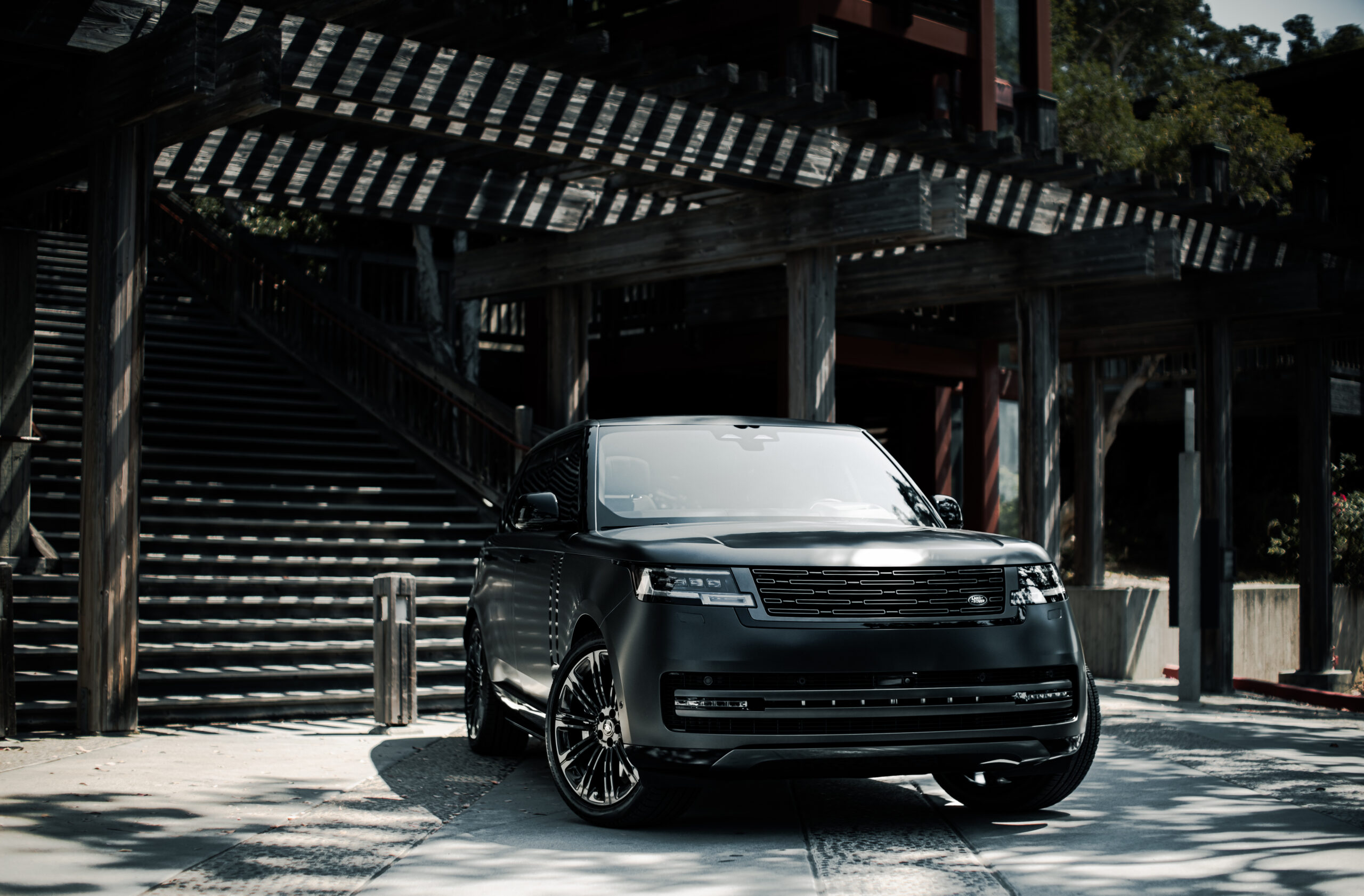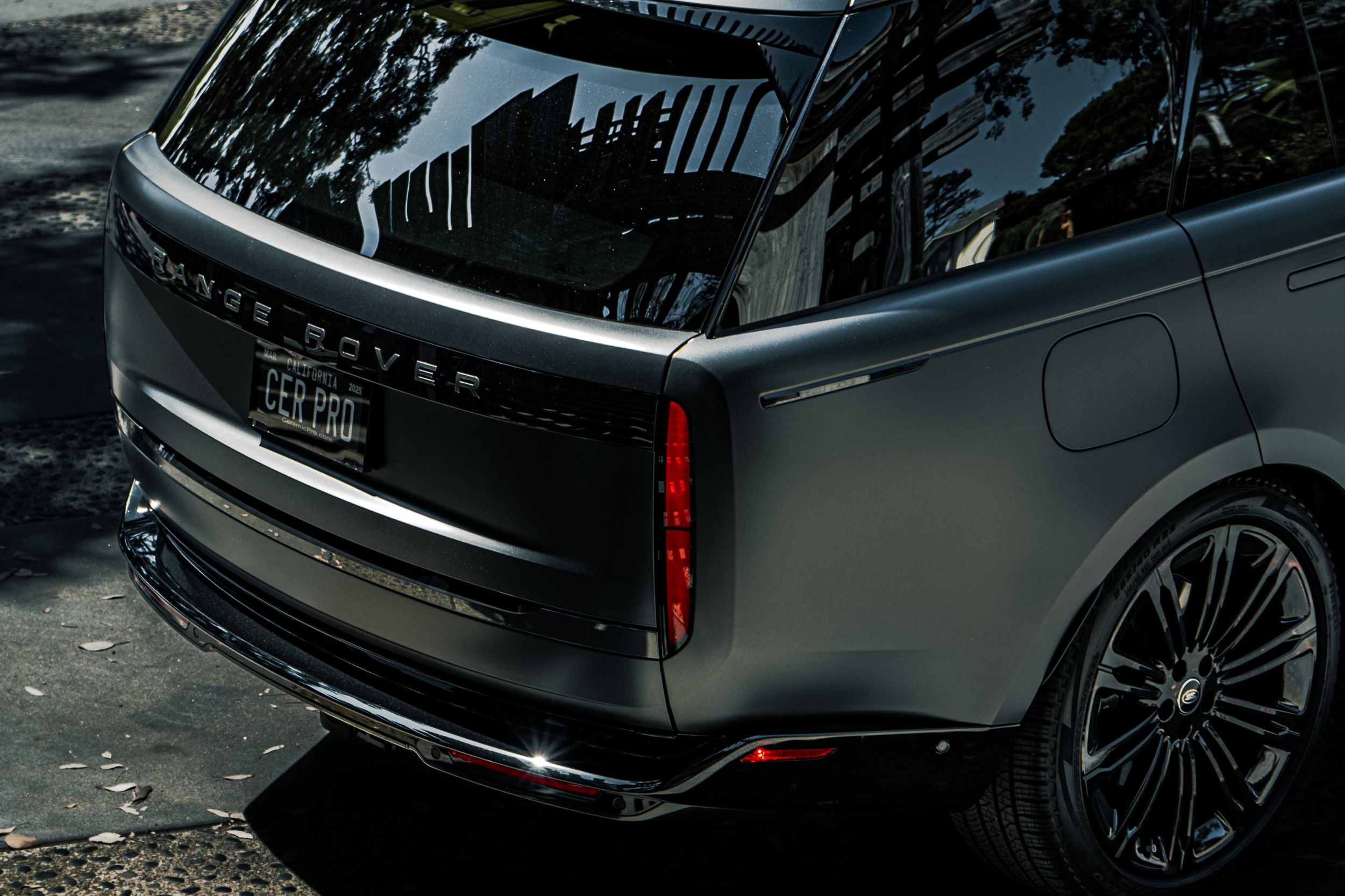

Paint Protection Film in Louisville, CO gives drivers a physical layer between their vehicle paint and the rocks, gravel, grit, bugs, and road debris that can strike the front end during daily travel. For Louisville, CO drivers, US-36 deserves attention because it connects the Boulder area with communities toward Denver, CO and carries daily commuter traffic through the corridor.
CDOT describes US-36 as the highway corridor between Denver and Boulder. Its Phase II US-36 project covered the section from 88th Street in Louisville/Superior toward Table Mesa/Foothills Parkway in Boulder. CDOT has also referred to US-36 as a heavy commuter route into and out of Boulder.
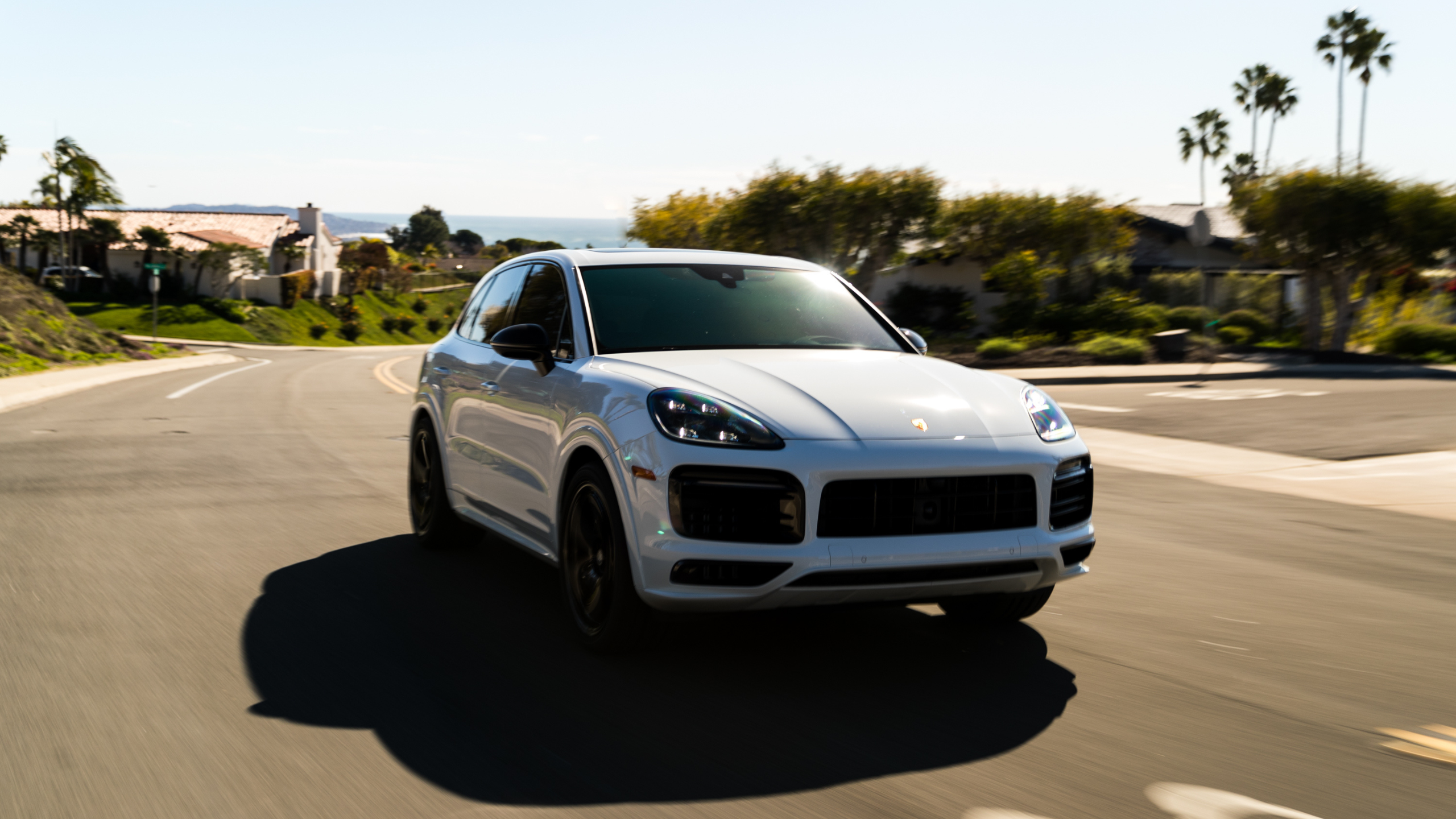
If US-36 is part of your regular drive, your bumper, hood, fenders, headlights, and mirrors spend plenty of time facing traffic moving at highway speeds.
That is where Paint Protection Film comes in.
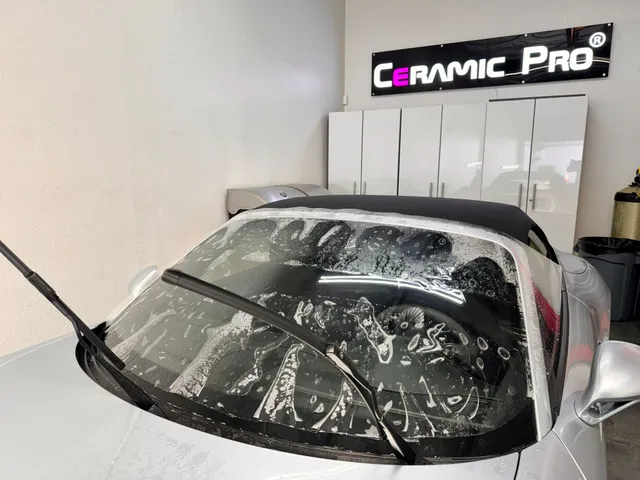
Ceramic Pro Denver installs clear and colored PPF for drivers from Louisville, CO, Denver, CO, Centennial, CO, and nearby Front Range communities. Our shop is located at 6333 South Racine Cir, Centennial, CO 80111.
Call (303) 875-4356 or contact Ceramic Pro Denver to discuss the panels you want covered.
Drivers searching for Paint Protection Film in Louisville, CO are often trying to solve one problem: keeping the original paint from getting chipped up during normal driving.
That can be difficult on a vehicle that spends a lot of time on the highway.
Louisville, CO sits near the US-36 corridor between Boulder and Denver. CDOT’s US-36 Phase II material identifies 88th Street in Louisville/Superior as part of the improved highway corridor extending toward Boulder.
US-36 is not a parking lot or neighborhood street. Cars and trucks move at highway speeds, and debris can be thrown from tires into surrounding traffic.
Small stones do not need to be large to leave marks.
The front bumper might receive the first strike. Another piece of debris can hit the hood. The next one might reach a headlight, mirror, or front fender.
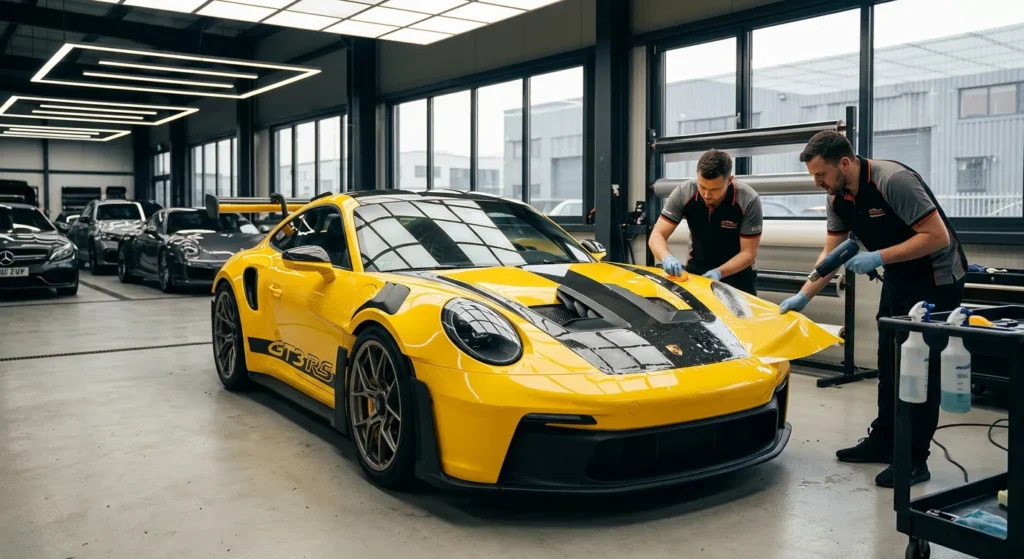
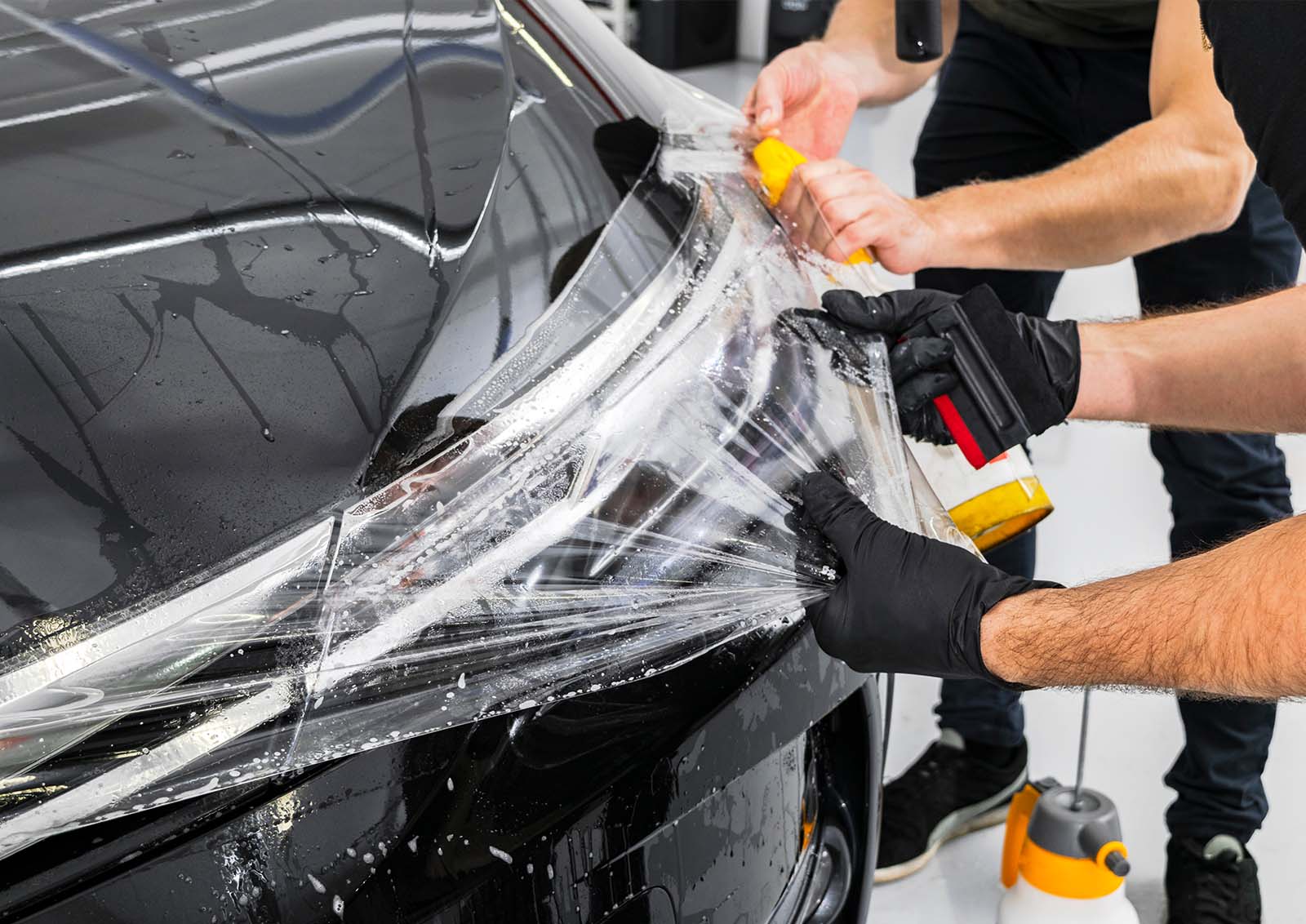
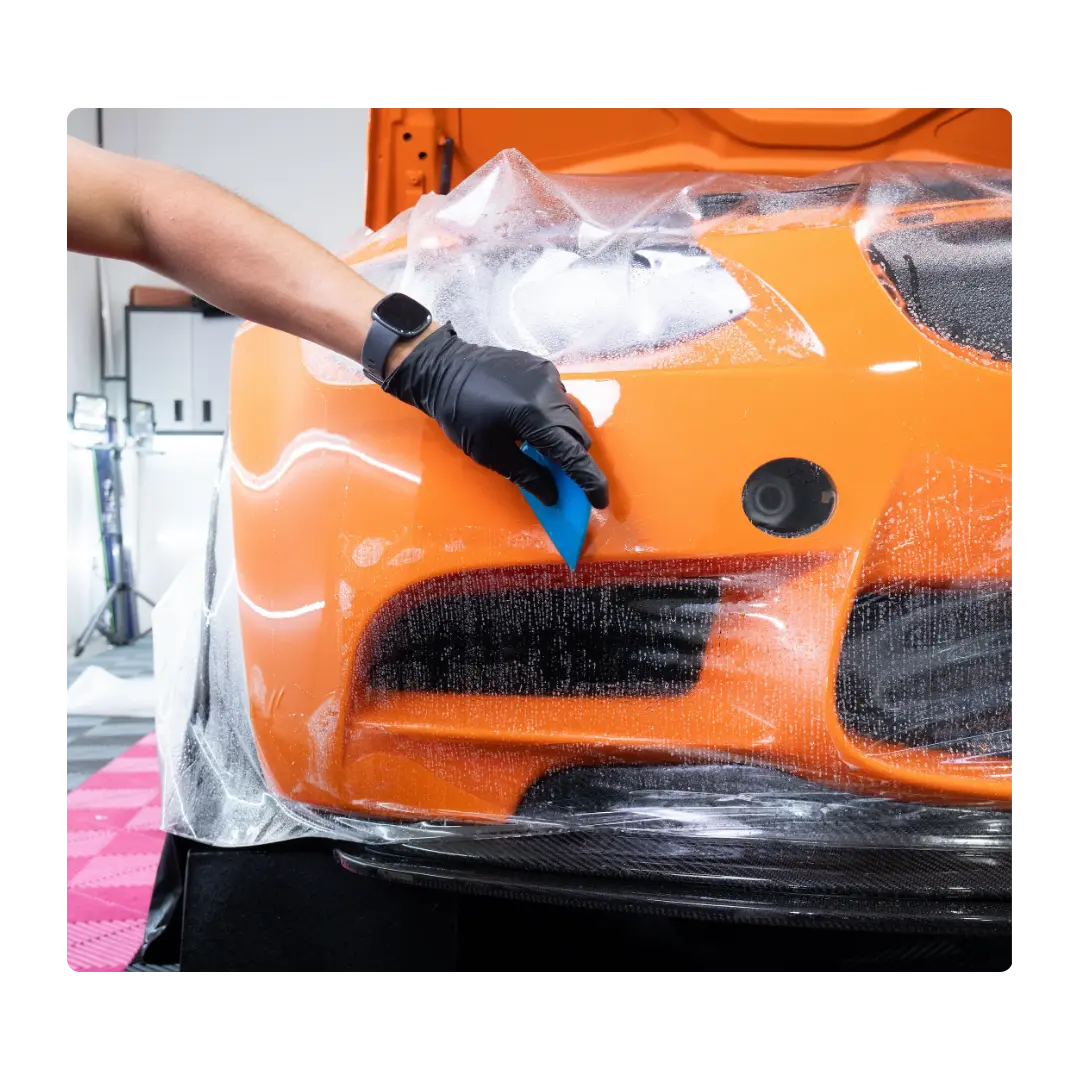
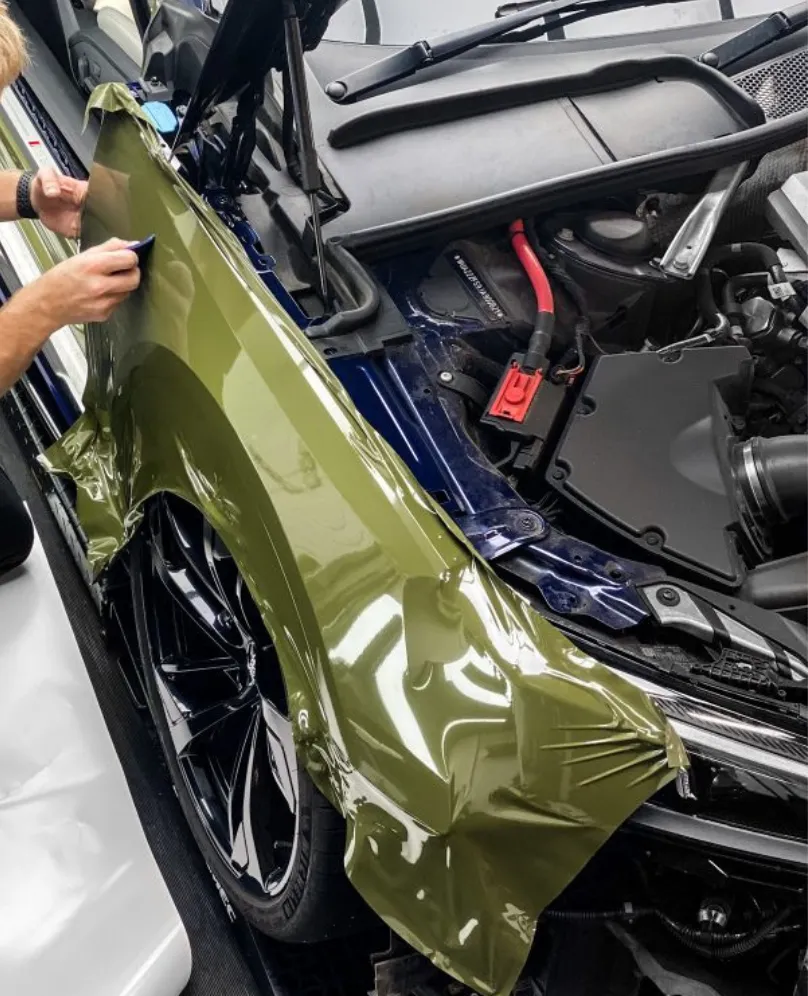
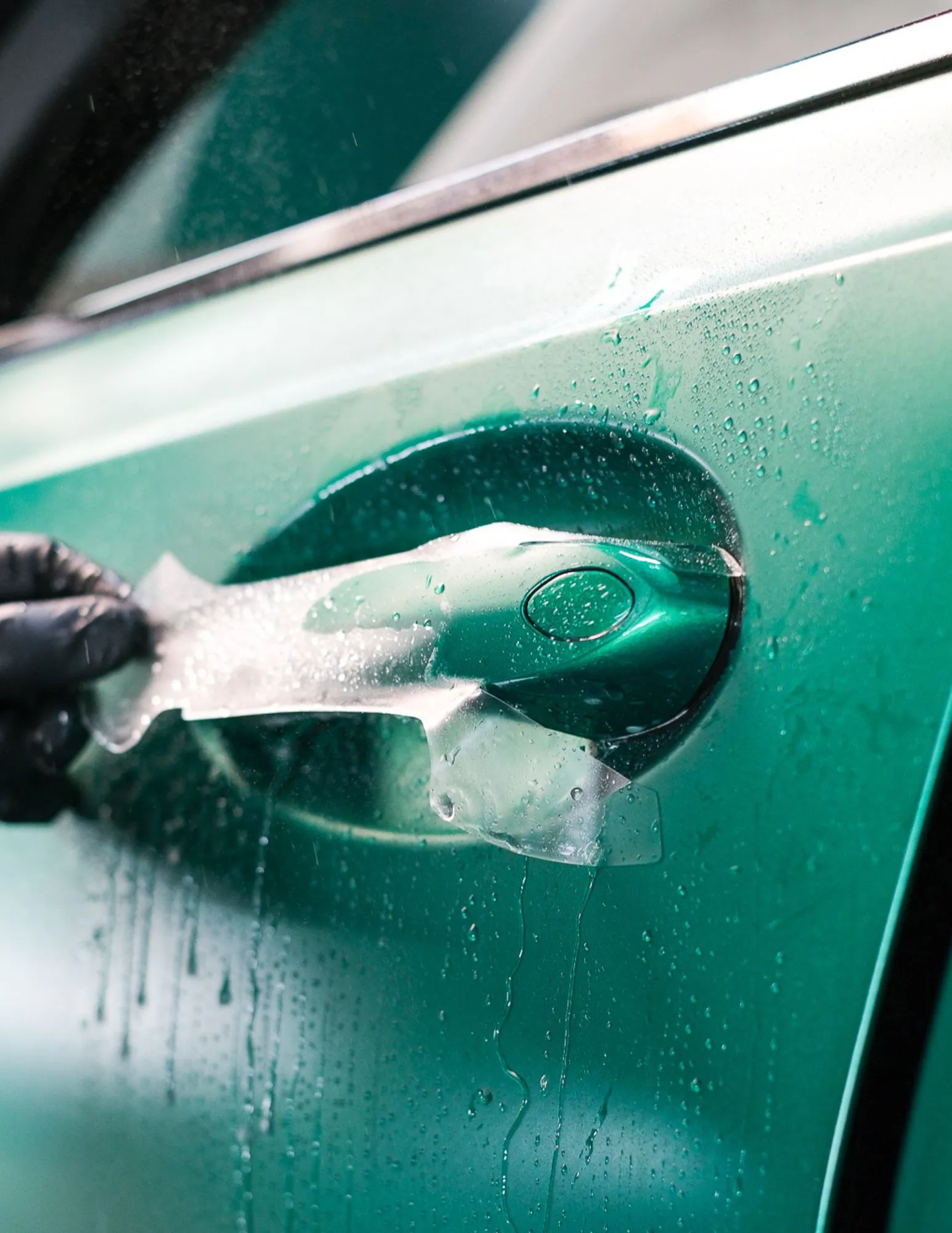
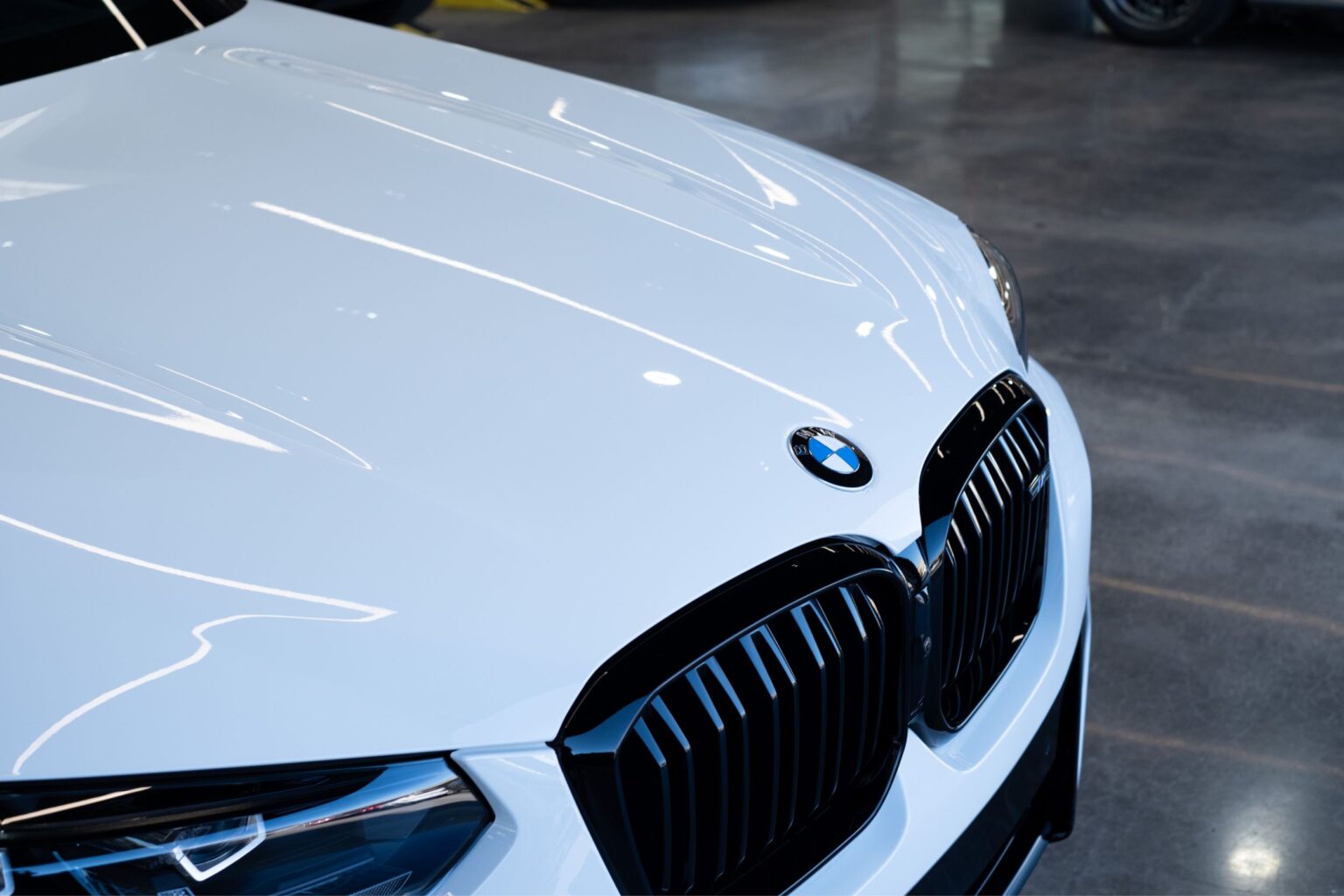
PPF puts a clear urethane film over these painted areas so the film receives much of that contact before it reaches the finish beneath it.
CDOT has described US-36 as a heavy commuter route into and out of Boulder.
For a Louisville, CO driver, that can mean repeated trips along the same corridor each week.
More highway miles create more opportunities for contact with:
Not every piece of road debris will chip paint.
The problem is exposure over time.
One commute may leave no visible mark. Months of highway driving can be a different story, especially across forward-facing painted surfaces.
Ceramic Pro Denver also identifies US-36 among the Colorado roads where vehicles can face road debris, grit, winter film, and bug splatter.
For that reason, drivers who spend a lot of time between Louisville, CO, Boulder, CO, and Denver, CO may want to consider PPF before chips accumulate.
Paint protection film is a urethane film installed over vehicle surfaces.
Ceramic Pro describes its PPF as a material designed to help defend against:
The film works as a physical barrier.
That point separates PPF from many other vehicle-detailing products.
Wax is not PPF.
Paint sealant is not PPF.
Ceramic coating is not PPF.
Those products may change how a surface behaves, but they do not create the same type of impact-absorbing film over the paint.
For a driver interested in Paint Protection Film in Louisville, CO because of rock chips on US-36, that physical film layer is the main reason to consider PPF.
The panels facing traffic usually deserve the first look.
Common high-contact areas include:
The bumper sits at the nose of the vehicle.
It faces debris thrown directly from traffic ahead and can accumulate chips, marks, and bug residue.
The leading edge of the hood is another common chip area.
Debris traveling higher off the road can reach farther back across the hood as well.
The front fenders sit beside the hood and behind the bumper corners.
They can receive debris from vehicles ahead and from nearby lanes.
Mirror caps extend outward from the body and face forward while driving.
Headlight lenses sit directly in the path of highway debris.
Rocker panels and lower doors can receive material thrown from the vehicle’s own tires and nearby traffic.
The coverage you choose should reflect where and how you drive.
A partial-front package uses film on selected forward-facing surfaces.
Ceramic Pro Denver currently lists its Partial Front PPF package with:
This level of coverage puts PPF on the bumper and lighting areas while leaving the hood and fenders outside that listed package.
A smaller package can make sense when those are the areas you care about most.
The tradeoff is that uncovered paint still faces road debris.
For someone commuting regularly on US-36, it is worth comparing this package with full-front coverage before deciding.
Full-front PPF adds much more coverage.
Ceramic Pro Denver currently lists its Full Front package with:
This gives a Louisville, CO highway commuter coverage across most of the painted surfaces facing traffic.
The full hood is worth calling out.
Some smaller PPF packages from other installers may cover only the leading part of a hood. Full-hood coverage places film across the complete panel.
Full front fenders work the same way.
For Paint Protection Film in Louisville, CO, full-front coverage can make sense when you want the main US-36 impact areas covered without wrapping the entire vehicle.
Some owners want more than front-end film.
Ceramic Pro Denver currently lists a Full Vehicle PPF package covering all painted vehicle surfaces and the headlights.
This can fit drivers who want film on areas such as:
Full-vehicle PPF can also help with contact that has nothing to do with US-36.
Parking areas, narrow garages, brush, loading items, passengers, road grime, and daily use can expose other parts of a vehicle.
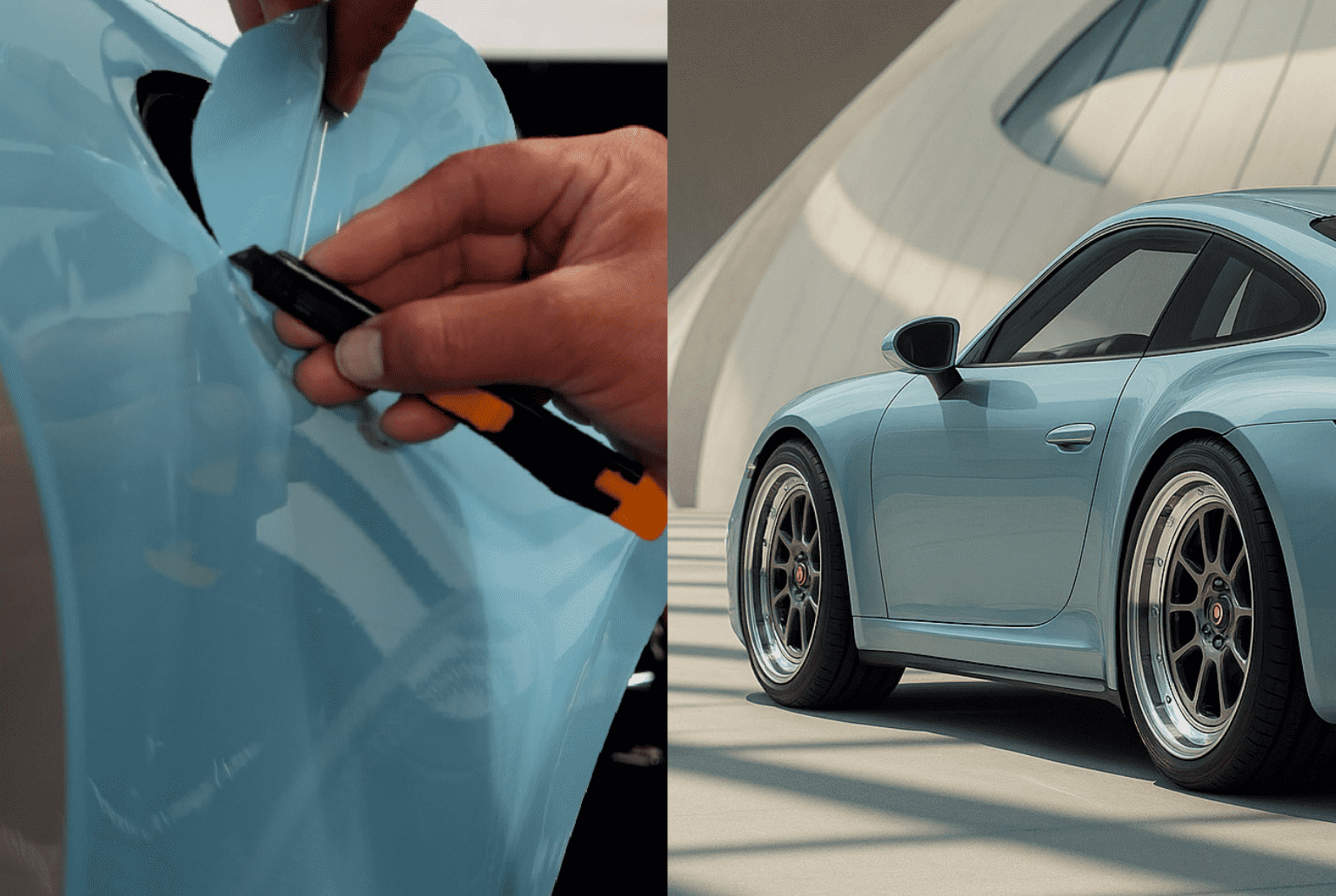
If appearance is also part of your goal, ask about Color PPF, which changes the exterior appearance while providing paint protection film coverage.
For frequent highway use, full-front PPF is one of the first packages worth comparing.
Ceramic Pro Denver states that highway drivers often start with full-front coverage.
There is a practical reason.
The front bumper, hood, fenders, headlights, and mirrors face the direction of travel every time you drive.
A Louisville, CO resident commuting toward Boulder, CO or Denver, CO on US-36 can put thousands of highway miles on these surfaces over time.
Full-front film places a protective layer across these high-contact areas without requiring complete vehicle coverage.
Ask yourself:
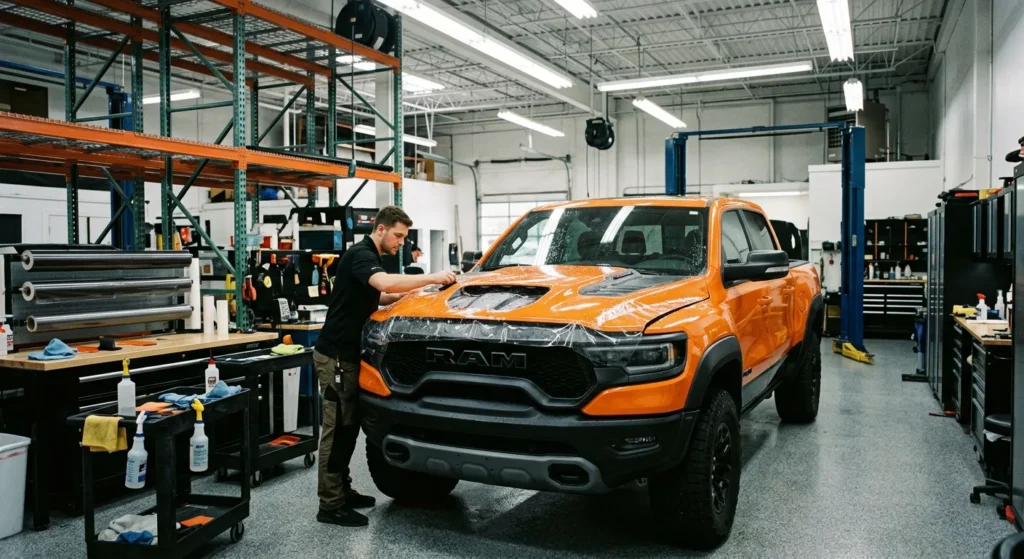
Your answers can help you decide whether partial-front, full-front, or full-vehicle film fits your situation.
No.
PPF should not be described as making paint impossible to damage.
Film is designed to help absorb impacts and protect the covered surface, but a hard enough object can damage the PPF, the paint beneath it, or both.
A large stone is different from small highway grit.
A collision is different from ordinary road debris.
A sharp object can also puncture film.
Think of PPF as a sacrificial protective layer.
If road debris damages the film instead of the original paint, the affected film section may be replaced when appropriate.
That is very different from claiming the vehicle can no longer suffer paint damage.
If rock chips are your concern, know the difference between PPF and Ceramic Coating.
PPF provides a physical urethane film over covered areas.
It is suited to concerns such as:
Ceramic coating forms a much thinner bonded layer over a prepared surface.
It can help with:
Ceramic coating does not replace PPF for rock-chip protection.
Drivers can use both.
PPF can be installed on areas that receive road impacts, while ceramic coating can be part of the wider exterior-care plan.
Existing rock chips do not disappear when PPF is installed.
The film is transparent, so paint defects underneath can remain visible.
That is why the vehicle should be inspected before installation.
Small chips may call for paint touch-up or another form of repair before film placement.
Deeper damage, missing paint, dents, rust, or failing clear coat may call for body or paint work that falls outside a normal PPF installation.
Do not assume film will hide it.
If your Louisville, CO vehicle has already spent several years commuting on US-36, tell the installer about existing chips before scheduling.
PPF sits directly over the vehicle surface.
The paint should be cleaned and assessed before installation.
Preparation can involve:
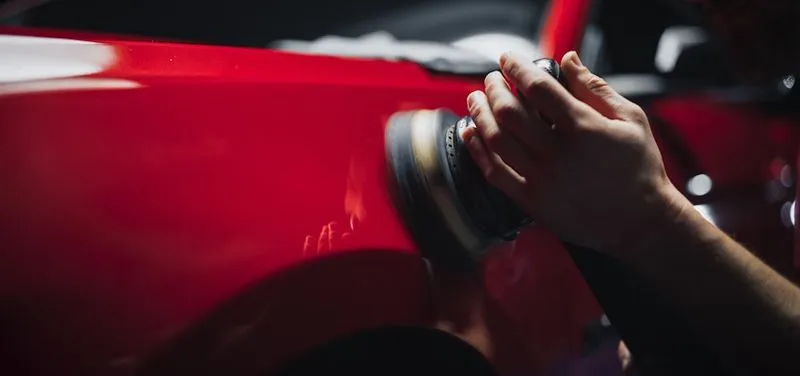
Paint correction can address suitable swirls, haze, and scratches.
It cannot replace missing paint from an existing rock chip.
If a chip has already broken through the painted surface, discuss your repair choices before film goes over it.
Warranty terms should be part of your PPF comparison.
Ceramic Pro Denver is a Ceramic Pro certified shop and the Ceramic Pro Elite Dealer for the Denver metro area.
The shop currently lists documented lifetime warranty options on select Ceramic Pro packages through the Elite Dealer program.
That does not mean every film or every situation receives identical warranty treatment.
Ask:
A manufacturer warranty for film defects is also different from coverage for a new rock impact.
Ask the installer to explain that difference before you book.
Paint protection film still needs routine care.
A straightforward wash routine can help keep the film looking clear.
Follow the installer’s curing instructions immediately after installation.
After that:
Do not treat a film-covered vehicle as maintenance-free.
PPF is easier to live with when you keep contamination from building up.
Tesla owners traveling US-36 face the same rock-chip concerns as other drivers.
Ceramic Pro Denver offers dedicated Tesla Paint Protection Film services.
Related Tesla services include:
For a Tesla that sees frequent Louisville, CO to Boulder, CO or Denver, CO highway travel, ask about full-front coverage first and compare it with wider protection based on your driving habits.
Do not choose PPF based only on the name of a package.
Ask which panels are covered.
Then compare that list with the places where your vehicle sees damage.
For a US-36 commuter, start by looking at:
Does the complete painted bumper receive film?
Is the entire hood covered or only part of it?
Are they full fenders or partial fenders?
Are the forward-facing mirror caps included?
Are they part of the package for your vehicle?
Should these be added because of your vehicle’s tire setup or driving?
Do you need door edges, rear loading-area coverage, lower doors, or other film?
Getting this panel list in advance makes it much easier to compare two PPF packages.
Ceramic Pro Denver currently lists Louisville, CO among the communities it serves.
Our team has spent 21 years working with Colorado vehicle owners and installs Ceramic Pro PPF for daily drivers, Teslas, luxury cars, performance vehicles, trucks, SUVs, and other vehicles.
Services available through our Centennial, CO shop include:
Ceramic Pro Denver
6333 South Racine Cir
Centennial, CO 80111
Phone: (303) 875-4356
Hours:
Monday-Friday: 8:30 AM-6:30 PM
Saturday: 9:00 AM-4:00 PM
If you are looking for Paint Protection Film in Louisville, CO because of rock chips from US-36 or other Colorado highways, call (303) 875-4356.
You can also schedule an appointment online.
Tell us your year, make, model, current paint condition, and how much highway driving you do. We can walk through partial-front, full-front, and full-vehicle PPF coverage for your vehicle.
Yes. PPF is made to help defend covered vehicle surfaces from small rock impacts, gravel, road debris, scratches, and related driving wear. It cannot guarantee protection from every impact, but it creates a physical film layer over the paint.
Frequent highway drivers often compare full-front PPF first because it covers the forward-facing areas that receive road debris. Ceramic Pro Denver’s current full-front package lists the entire hood, full front fenders, bumper, front mirror faces, door cups, and headlights.
No. Ceramic coating does not provide the same physical impact layer as PPF. Ceramic coating is better suited to gloss, water behavior, easier washing, UV resistance, and resistance to common contamination. PPF is the service to consider when rock-chip protection is the goal.
PPF can sometimes be installed on a vehicle with existing chips, but the chips do not disappear beneath clear film. The paint should be inspected first, and some areas may need touch-up or other repair before installation.
That depends on the amount of protection you want. Full-hood PPF covers the complete painted hood and avoids a partial film line across the panel. For frequent US-36 driving, full hood coverage may make more sense than leaving the upper part exposed.
Yes. Ceramic Pro Denver currently lists partial-front, full-front, and full-vehicle PPF packages. Its full-vehicle package covers all painted surfaces of the vehicle and the headlights.
Ceramic Pro Denver serves Louisville, CO from its shop at 6333 South Racine Cir, Centennial, CO 80111. Call (303) 875-4356 or visit ceramicprodenverelite.com/contact-us to schedule an appointment.
Contact Ceramic Pro Denver to schedule a consultation for paint protection film, ceramic coating, window tint, or paint correction. Our team responds quickly with clear options matched to your vehicle, budget, and timeline. You can call us at (303) 875-4356 or visit us at 6333 South Racine Cir, Centennial, CO 80111 for in person guidance.
Explore the many services we offer by clicking the boxes below