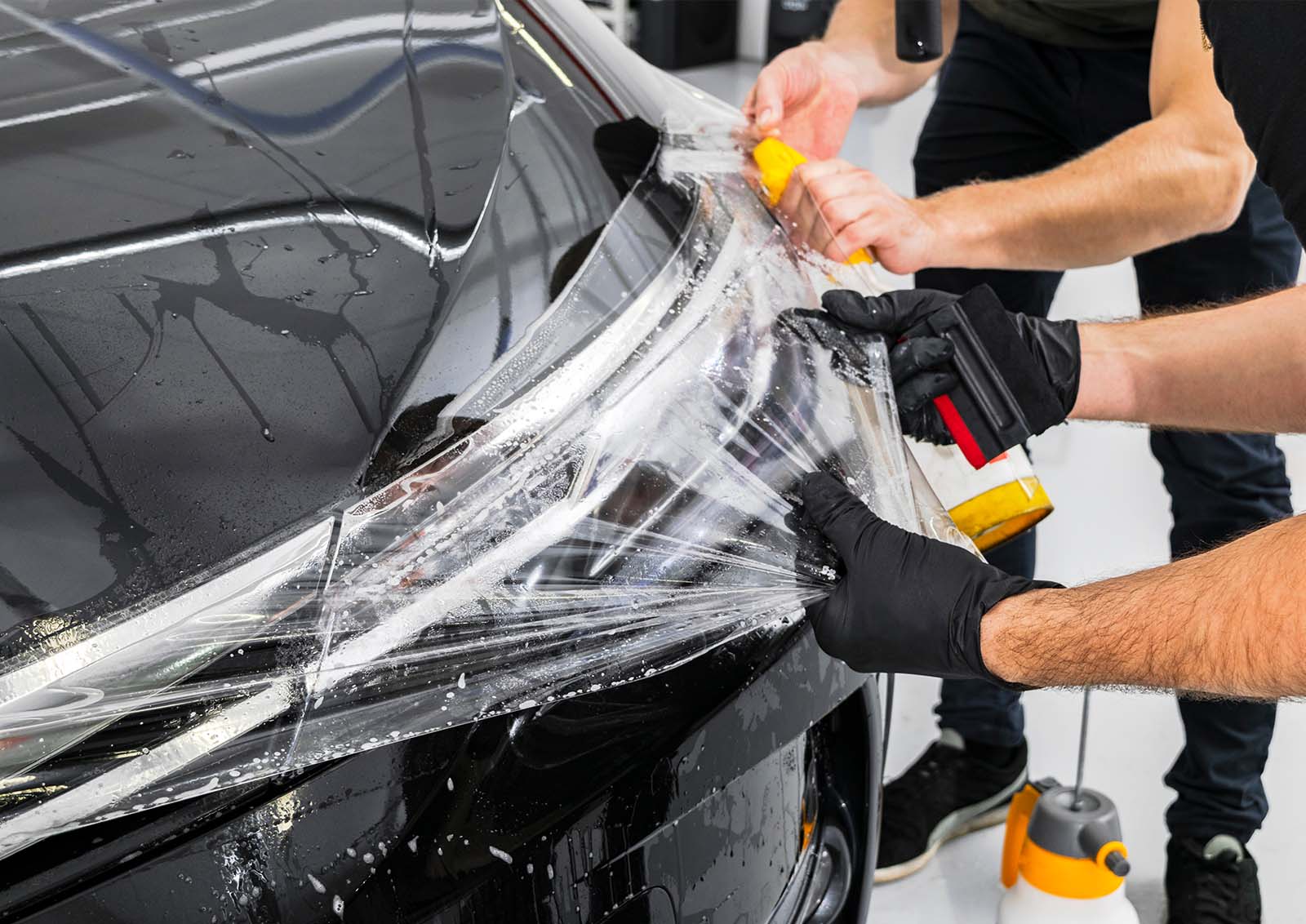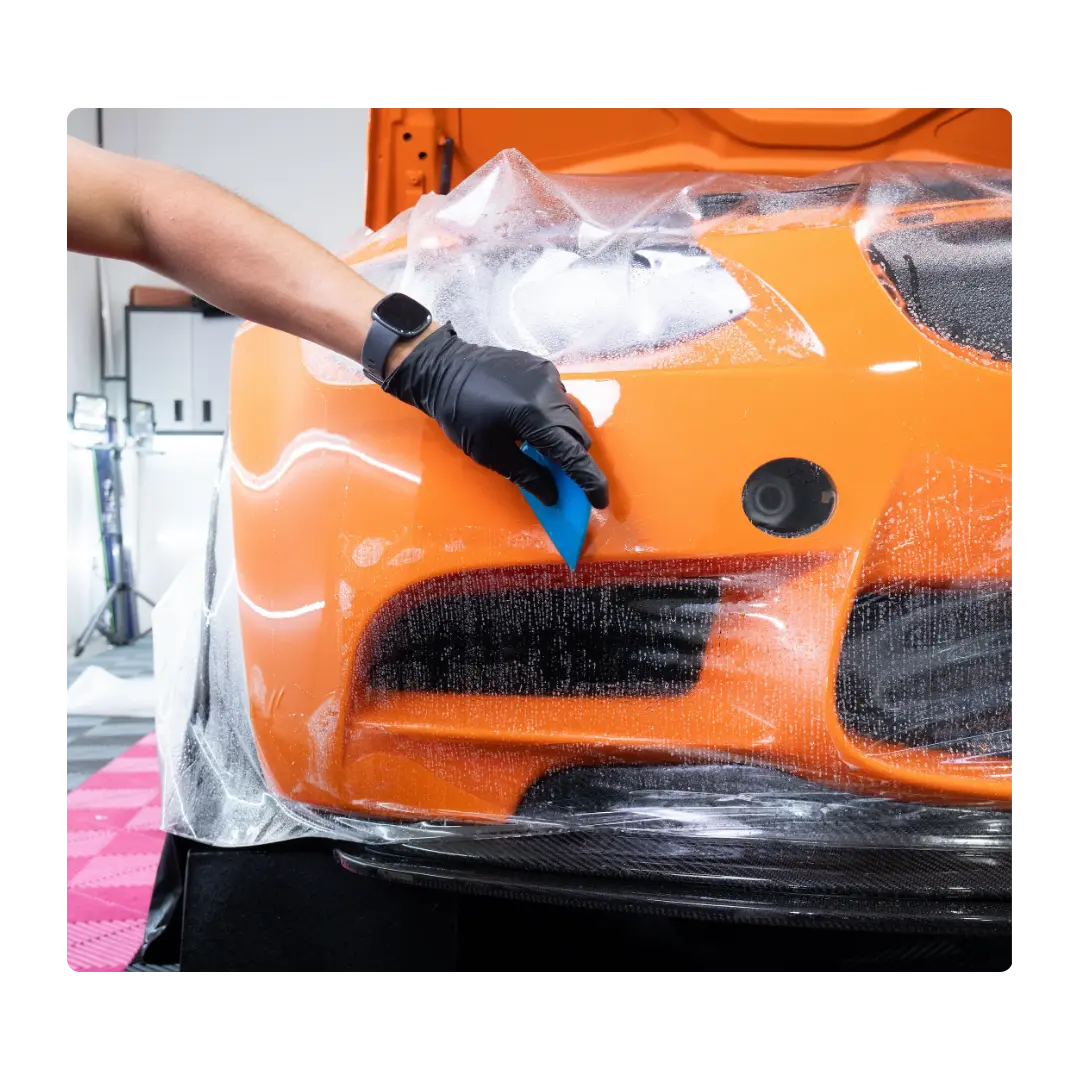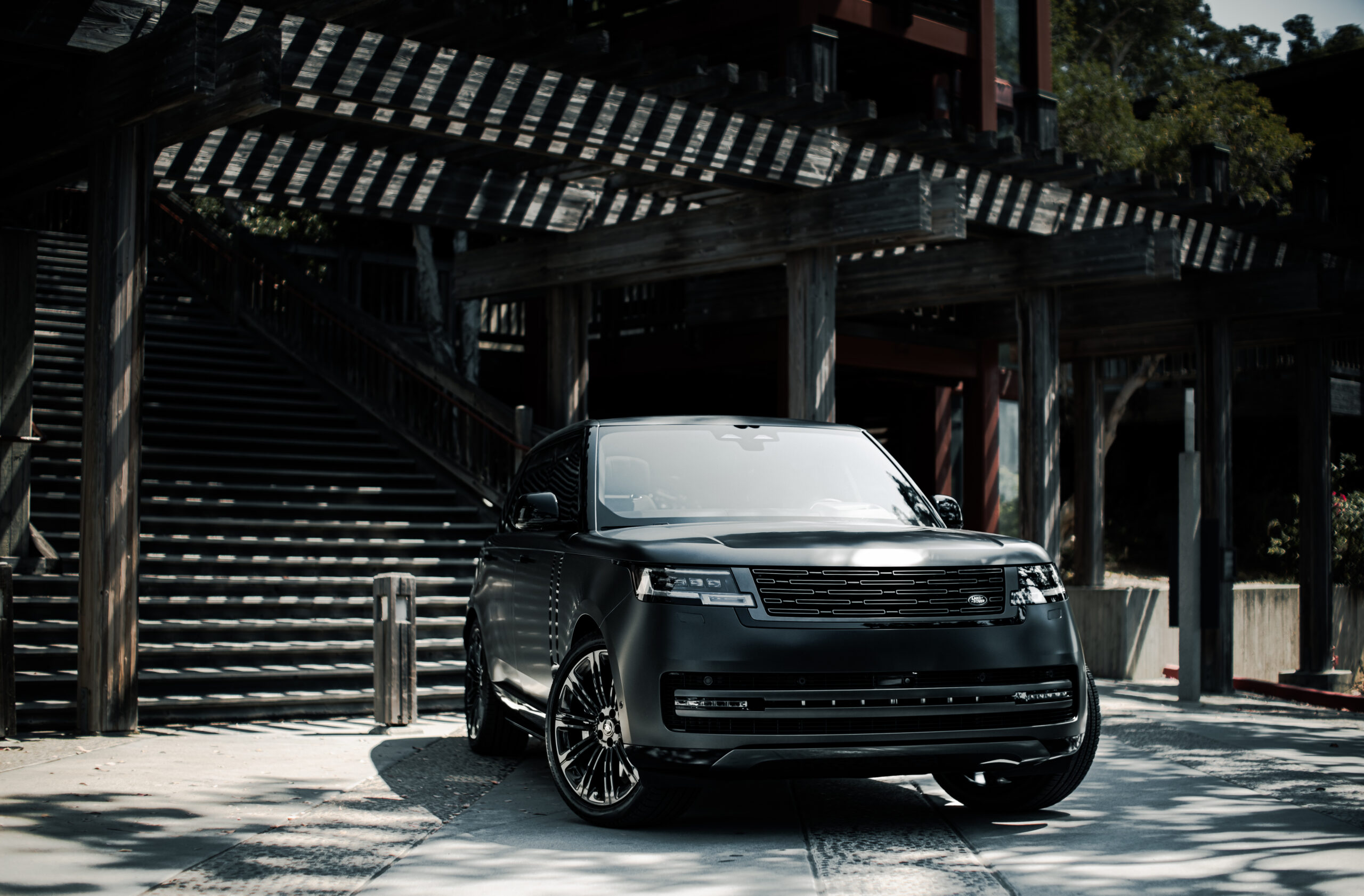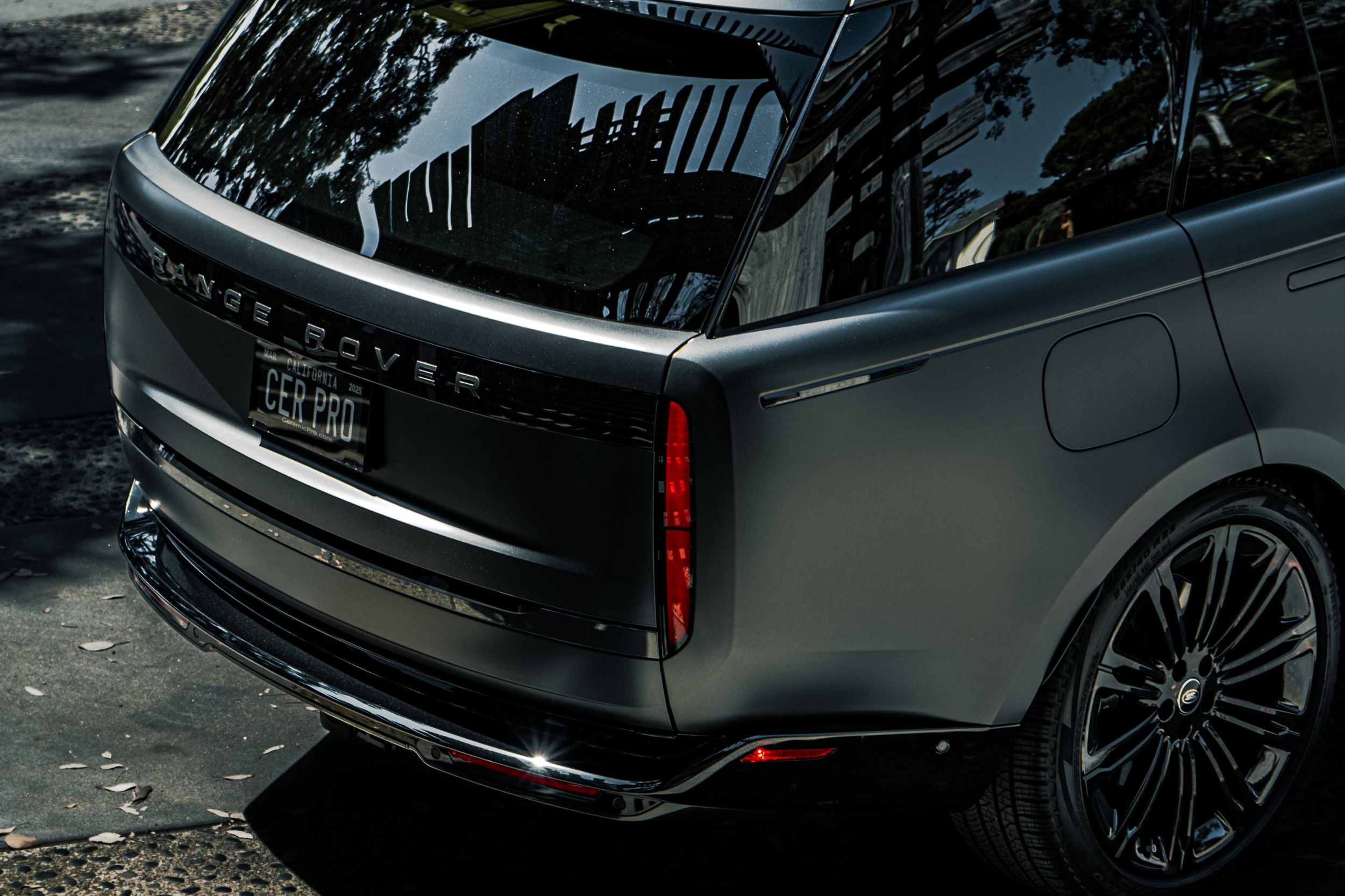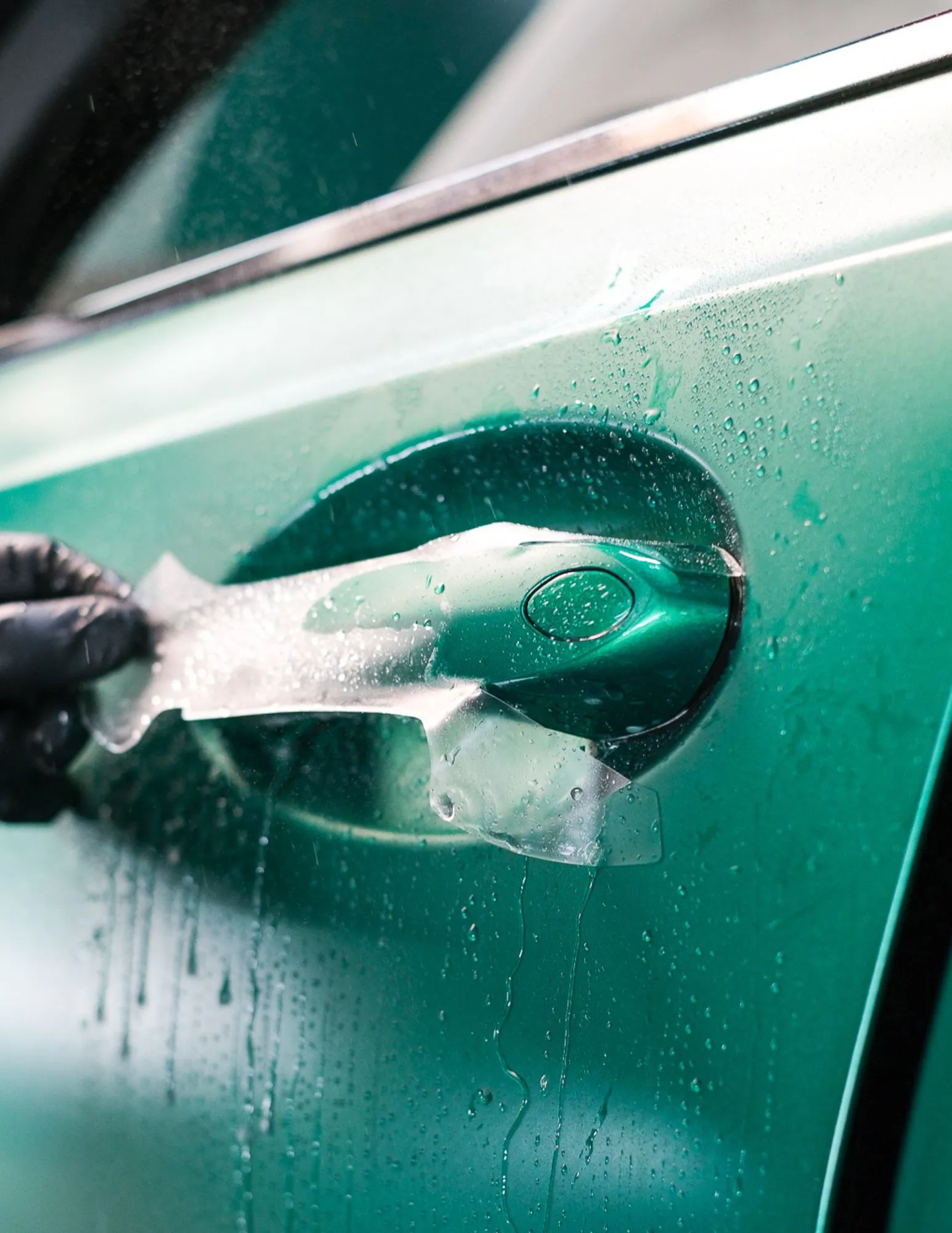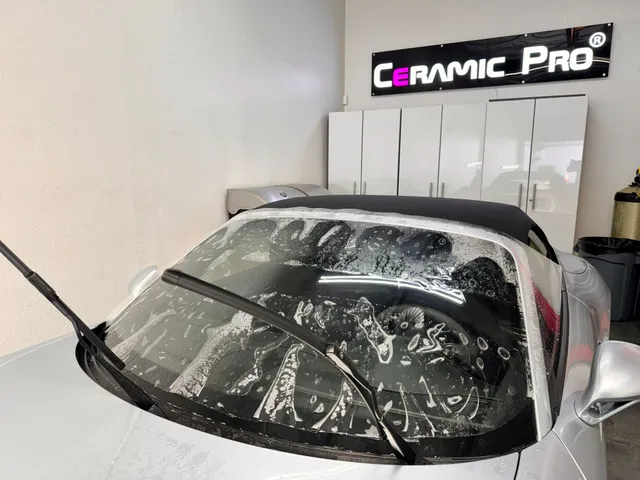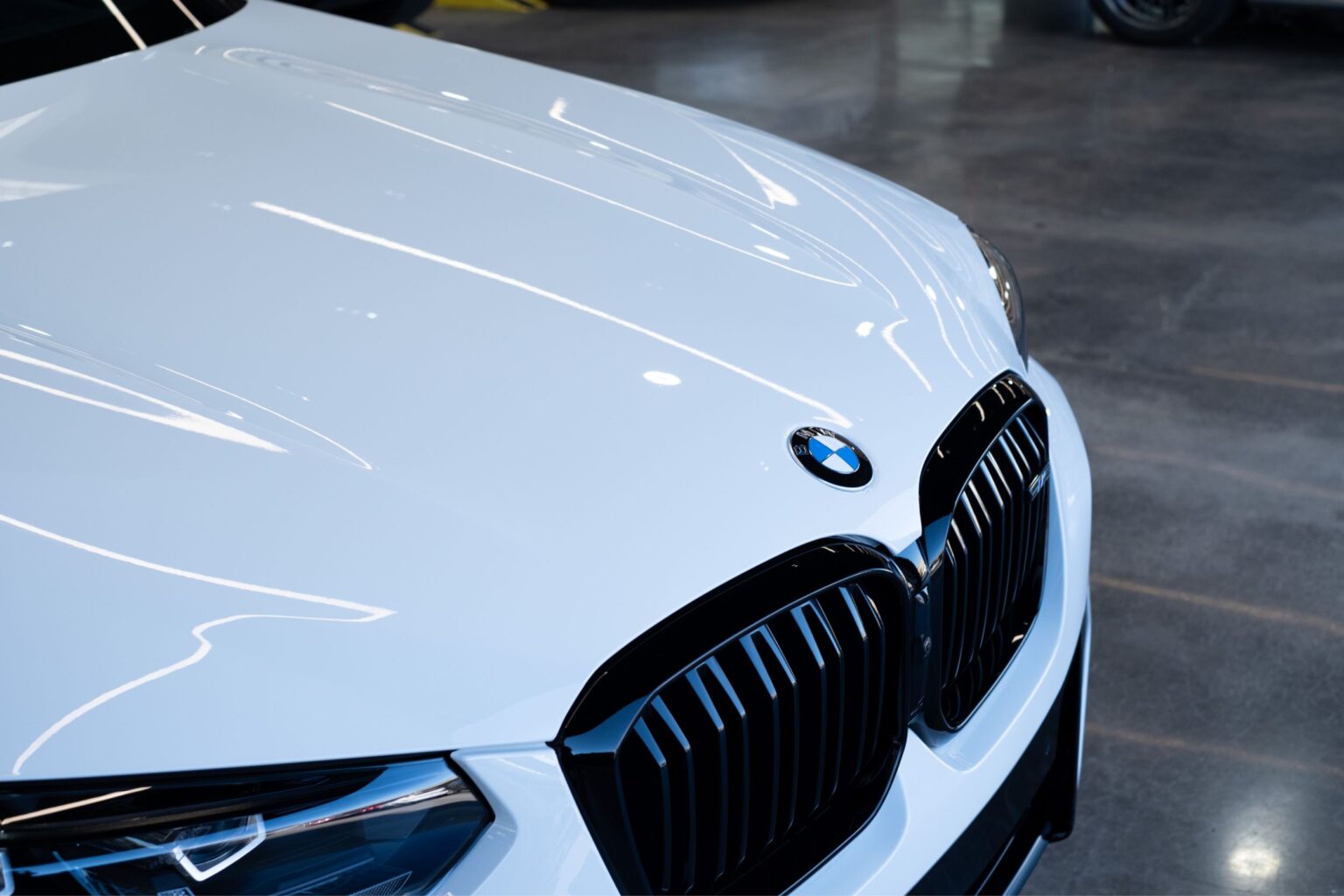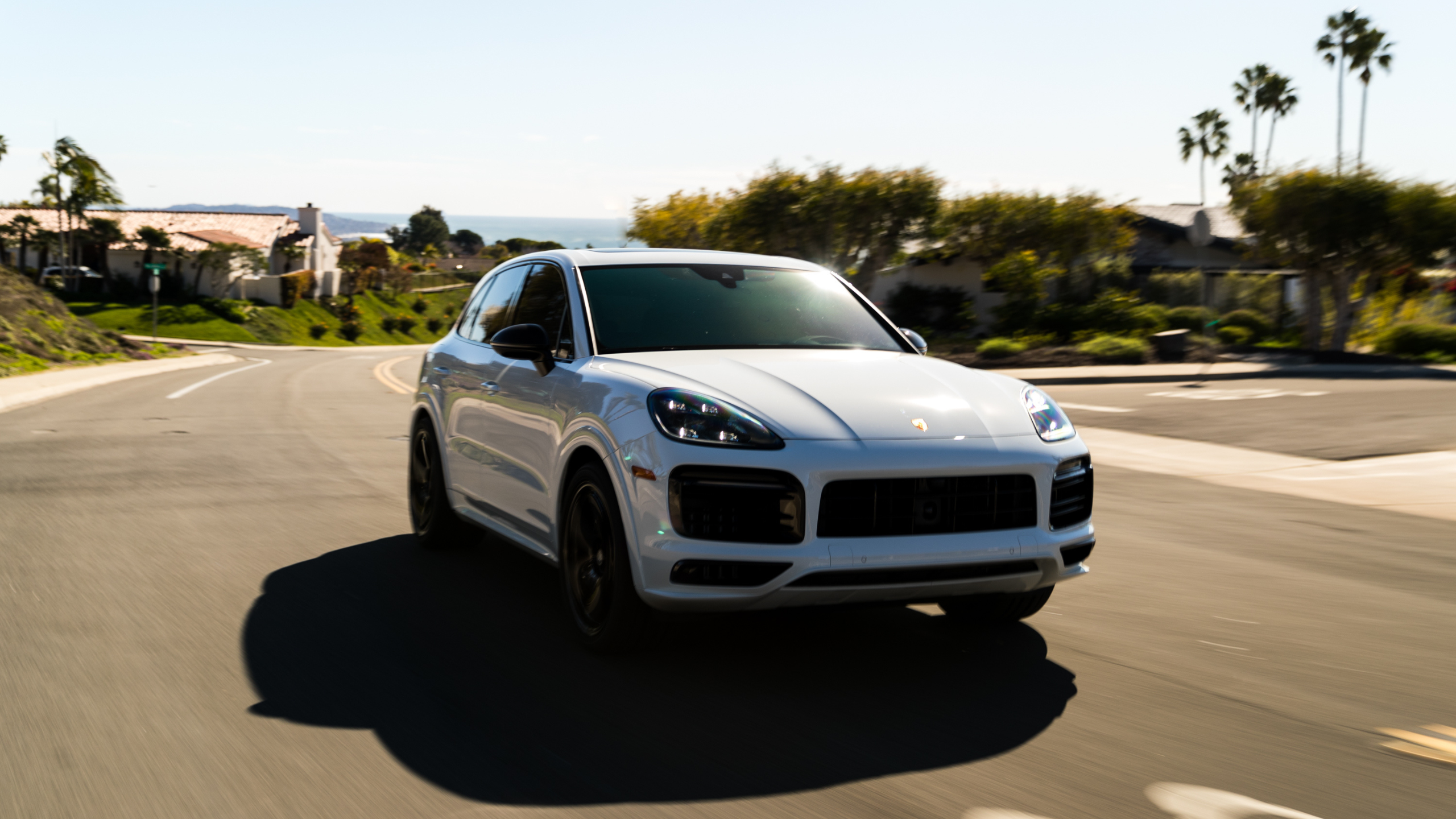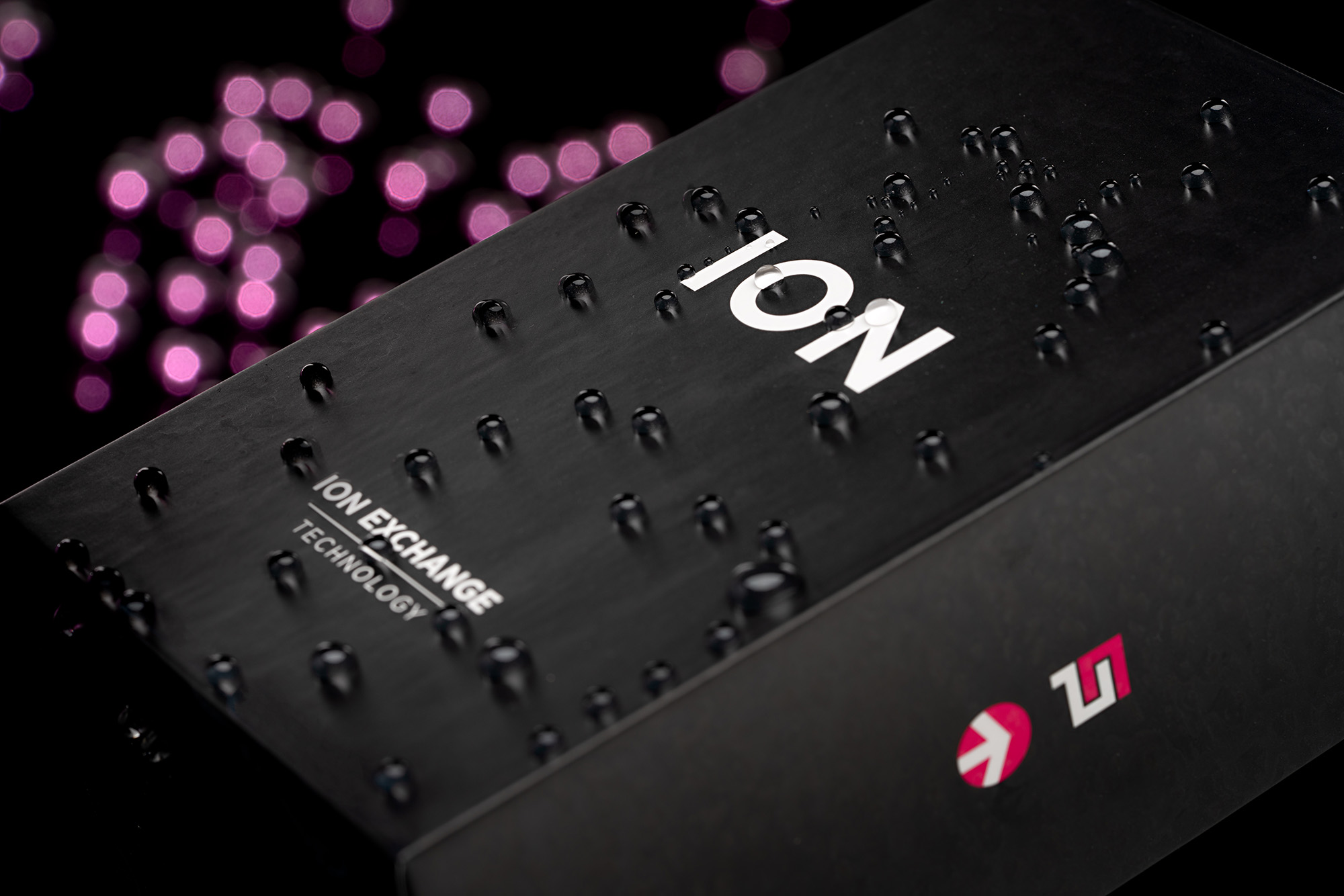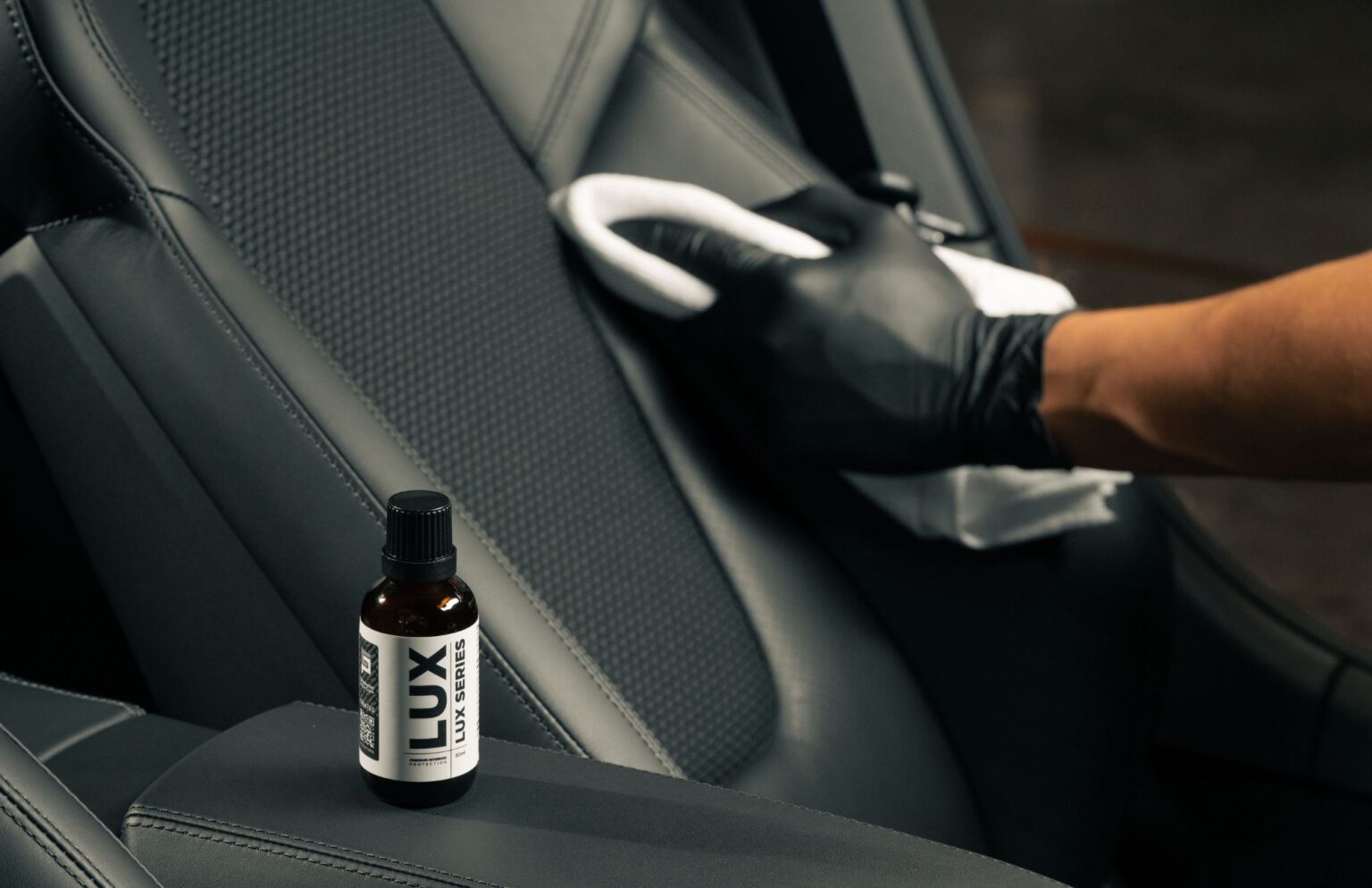

The Science Behind Self-Healing Tesla PPF for Denver Mountain Driving starts with what you see in real life on Colorado roads: light wash marks, tiny scuffs, gritty dust, and road rash that seems to show up right after a mountain trip. Self-healing paint protection film (PPF) does not mean your Tesla becomes “damage-proof.” It means the film’s top layer can relax and smooth out certain light surface marks when it warms up, so your finish stays cleaner-looking with less fuss.
Ceramic Pro Denver is located at 6333 South Racine Cir, Centennial, CO 80111, serving Denver, CO and Centennial, CO. Want to talk through PPF coverage for your Model 3, Model Y, Model S, Model X, or Cybertruck? Call (303) 875-4356 or schedule here: https://ceramicprodenverelite.com/contact-us/.
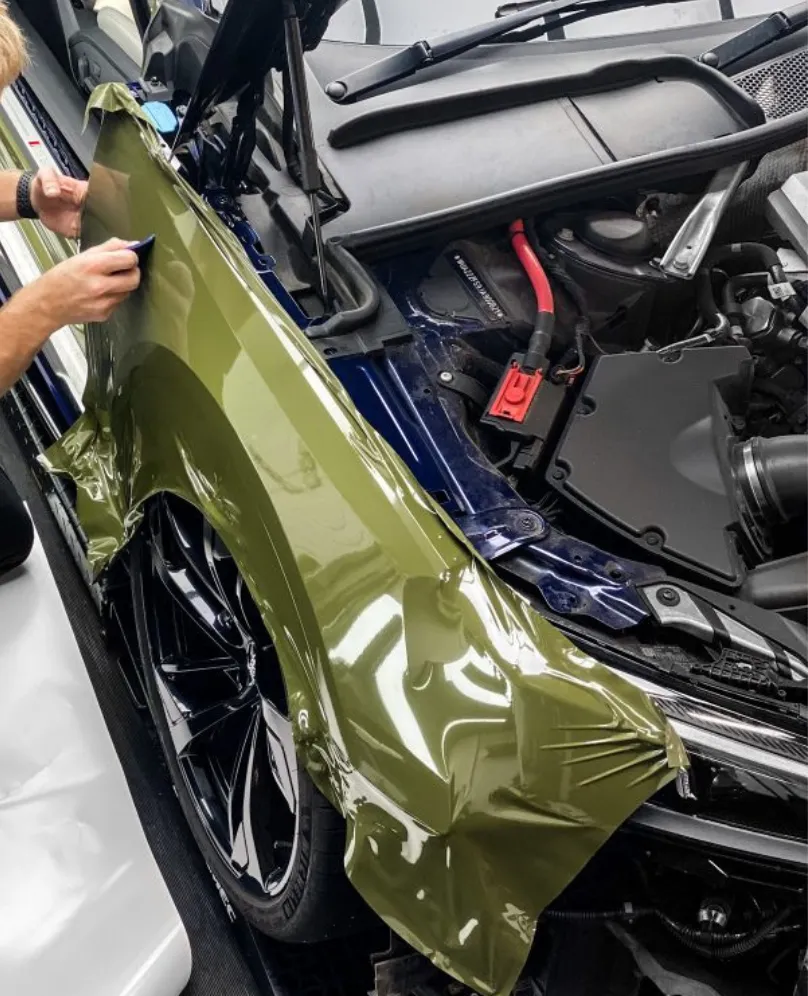
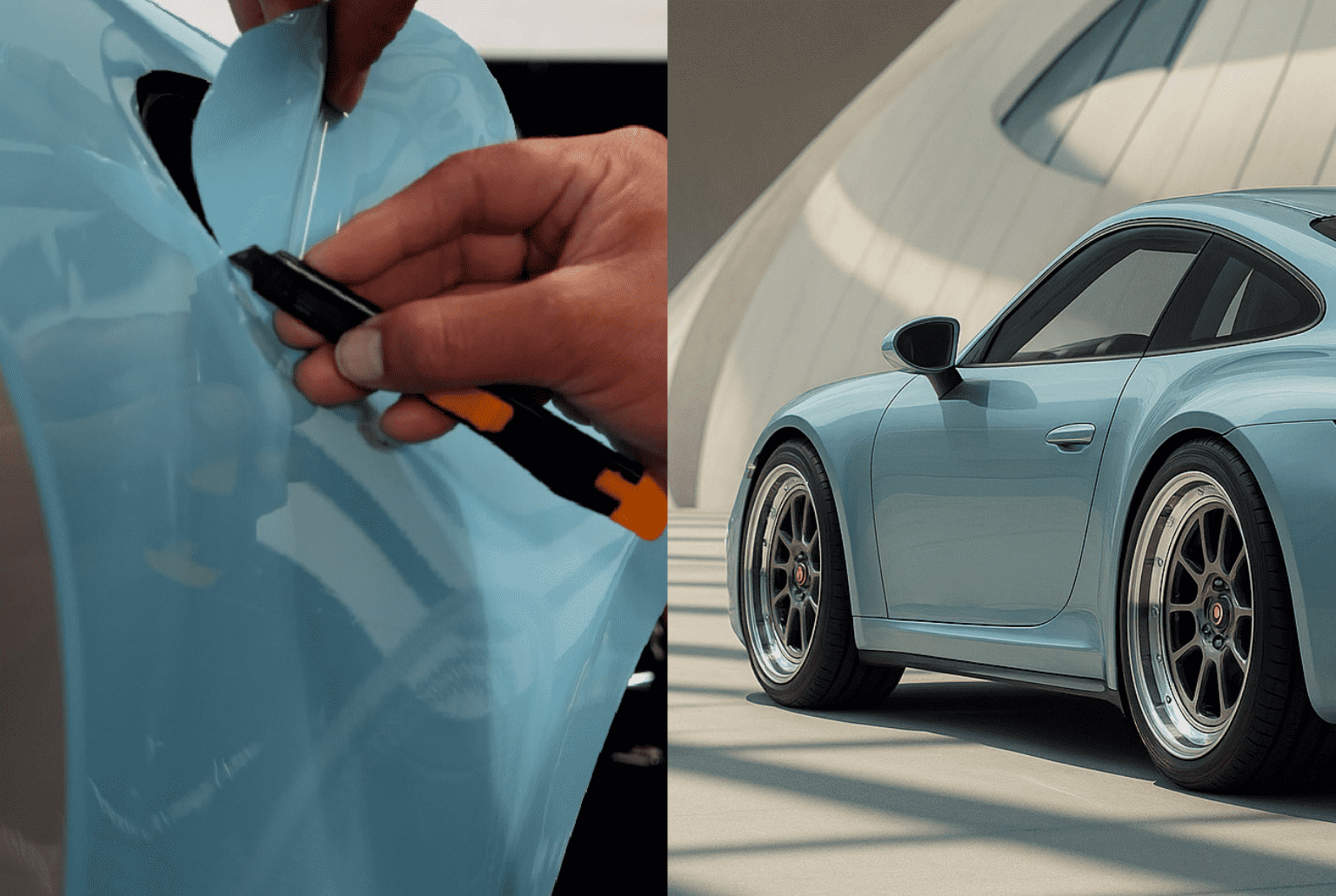
Self-healing PPF is a clear (or sometimes finished) urethane film that sits on top of your Tesla’s paint. Certain films are made with a top coat that can reduce the look of light swirls and tiny surface scuffs after warming.
Here’s what matters: “self-healing” is about minor surface marks. It is not about deep gouges or rock hits that cut through the film.
Manufacturers describe this heat-activated behavior in different ways:
If you want to see our local PPF pages:
Colorado mountain travel hits your Tesla in ways city miles often don’t.
Mountain highways and canyon roads often mean more sand, tiny stones, and debris in the lane. Even if you keep your distance, fine grit still gets kicked into the air and across the front end.
A warm afternoon in Denver, CO can turn into a colder stretch in the foothills fast. Those swings do not “break” PPF, but they can change how sticky road film feels and how quickly grime dries onto the surface.
After a trip, owners often do a quick wipe to remove dust. That’s where light swirls can start. Self-healing PPF helps because the film is built to take more of that light contact than exposed paint.
CDOT says liquid anti-icer and de-icer residue should be removed from vehicles with soap and water following winter storms. If your Tesla sees mountain snow days, rinsing lower panels becomes part of normal ownership.
Think of PPF like a protective sandwich. Many PPF products share the same basic structure:
1) Top coat
2) TPU (thermoplastic polyurethane) layer
3) Adhesive layer
Ceramic Pro explains PPF in these terms and notes the top coat affects resistance to contaminants, hydrophobic behavior, and self-healing ability. The TPU layer is described as the core impact-absorbing material.
Avery Dennison also describes its PPF as a top-coated polyurethane film and says its “self-healing” top coat helps absorb impact from scratches and debris.
So where does the healing happen?
Let’s break it down without making it weird.
A lot of what people call a scratch on PPF is not a cut. It’s a small change in the top coat surface where the material got pushed or dragged.
In polymer science, self-healing materials can recover when the material’s molecules can move again. Research reviews on self-healing polymers discuss how heat can support scratch recovery by allowing material rearrangement at the surface.
In everyday terms:
Many modern PPFs are TPU-based. TPU is known for flexibility and toughness, which is why it’s used in protective films. Scientific literature on polyurethane materials explains TPU as a polymer type with rubber-like behavior and thermoplastic properties, which supports the kind of surface movement that makes scratch recovery possible.
Bottom line: self-healing isn’t magic. It’s heat plus material design.
Now here’s the thing. Knowing the limits saves you money and frustration.
3M describes minor scratches or marks disappearing with heat applied to the film surface. Ceramic Pro describes minor scratches and swirl marks vanishing with heat.
If the film is actually cut, it may need repair or replacement in that area.
You do not need a lab setup. Most owners see healing happen with normal warming.
A warm sunny day can be enough to reduce light swirls. This is common after a careful wash when you notice faint marks in the shade, then they fade once the panel warms.
Some films respond to warm water on the surface. 3M describes heat applied to the film surface as the trigger for minor marks to disappear.
If a section needs careful attention, a trained installer can use controlled heat in a safe way. This is not a DIY heat-gun contest. Too much heat can cause problems.
Next steps: If you’re seeing marks and want a safe plan, book a visit:
Tesla paint can still get chipped. Mountain gravel does not care what brand is on the hood.
3M says paint protection film is designed to protect vehicle paint from rock chips, scratches, and the elements. Ceramic Pro says its films resist road debris and road salts and include heat-activated self-healing for minor marks.
So PPF helps in two ways:
If your Tesla is used year-round in Denver, CO and Centennial, CO, that combo is the reason many owners start with PPF before they start stacking other upgrades.
You do not have to cover every panel to get real value.
This is the most common starting point because it covers the impact zone:
Start here:
Mountain grime and winter spray collect low on the vehicle. Adding these areas helps keep the “dirty line” from turning into a permanent wear line.
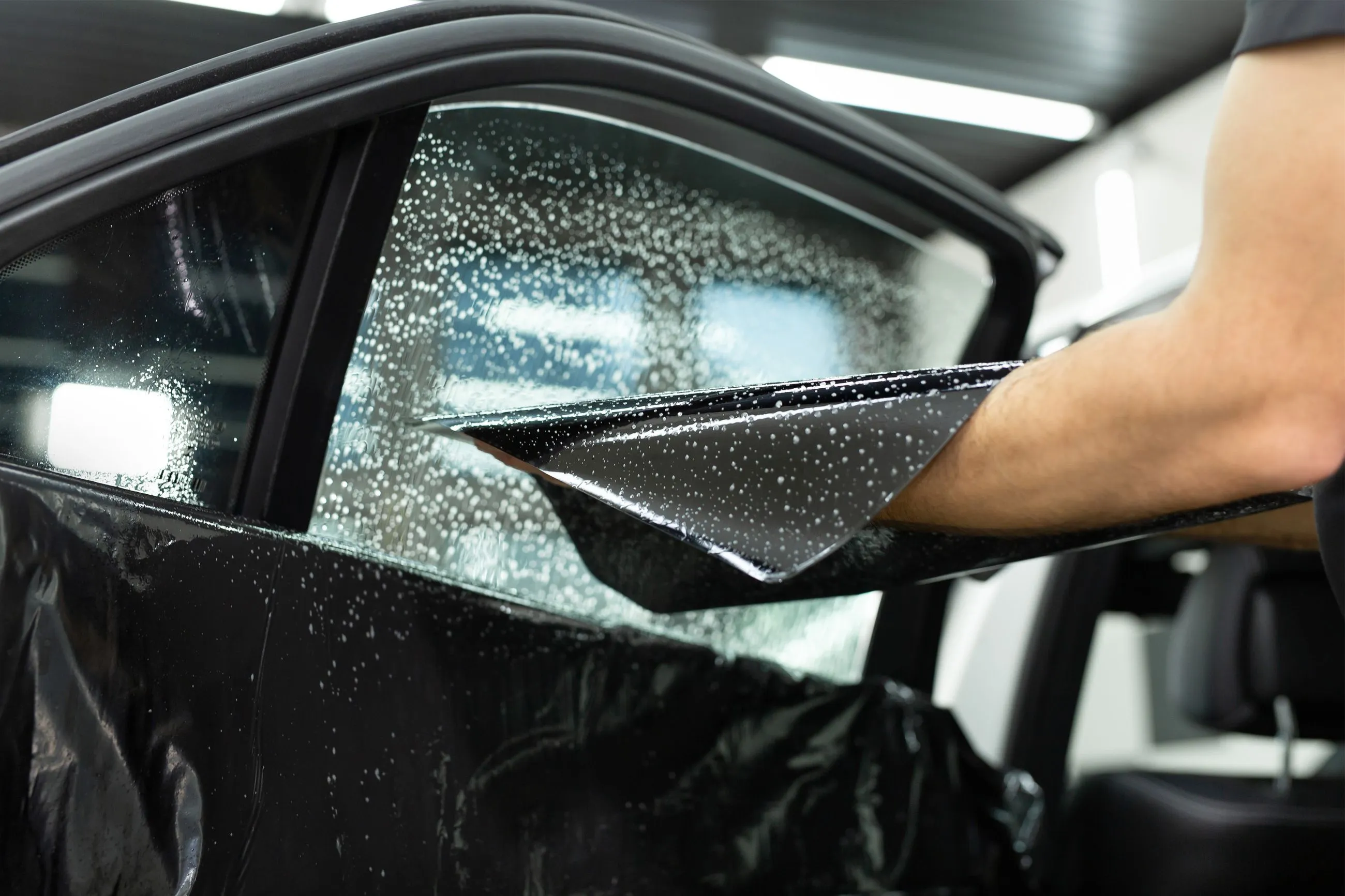
If you take a lot of mountain trips, glass damage becomes a real concern. Ask about:
For Tesla-specific work:
Self-healing does not replace good wash habits. It just gives you a better margin for error.
Dust plus hand wiping is how most light swirls start. A quick rinse knocks off grit.
Tesla’s cleaning guidance recommends hand washing with mild, high-quality car shampoo. It also advises touchless washes if using an automatic wash.
CDOT says de-icer residue should be removed with soap and water after winter storms. That is a good habit for your Tesla’s lower panels and wheel wells.
Many abrasive products can dull film or change its look. If a spot needs attention, ask your installer what is safe.
If you want easier cleanups after mountain trips, ask about adding a coating over your PPF:
Ceramic Pro Denver is located at 6333 South Racine Cir, Centennial, CO 80111 and serves Denver, CO and Centennial, CO, plus nearby areas like:
Related pages Tesla owners use often:
To book, call (303) 875-4356 or schedule online:
It means the film’s top coat can reduce the look of light surface marks after warming, depending on the film type and the mark.
No. Rock chips that cut through the film are not the same as light surface swirls. PPF helps reduce damage from impacts, but no film stops every hit.
Heat gives the top layer enough energy to relax back toward a smoother shape, which can make light swirls less visible. Manufacturers like 3M describe minor scratches disappearing when heat is applied to the film surface.
Often, yes. Warm sun can help reduce light surface marks on many self-healing films.
Some films respond to warmth at the surface. If you plan to use warm water, keep it reasonable and avoid extreme heat. When in doubt, ask your installer.
Many Tesla owners start with full-front PPF (bumper, hood, fenders, mirrors) since that’s where grit hits most. See: Paint Protection Film
Call (303) 875-4356 or schedule here: https://ceramicprodenverelite.com/contact-us/. If you want a planning visit first: Consultation
Contact Ceramic Pro Denver to schedule a consultation for paint protection film, ceramic coating, window tint, or paint correction. Our team responds quickly with clear options matched to your vehicle, budget, and timeline. You can call us at (303) 875-4356 or visit us at 6333 South Racine Cir, Centennial, CO 80111 for in person guidance.
Explore the many services we offer by clicking the boxes below